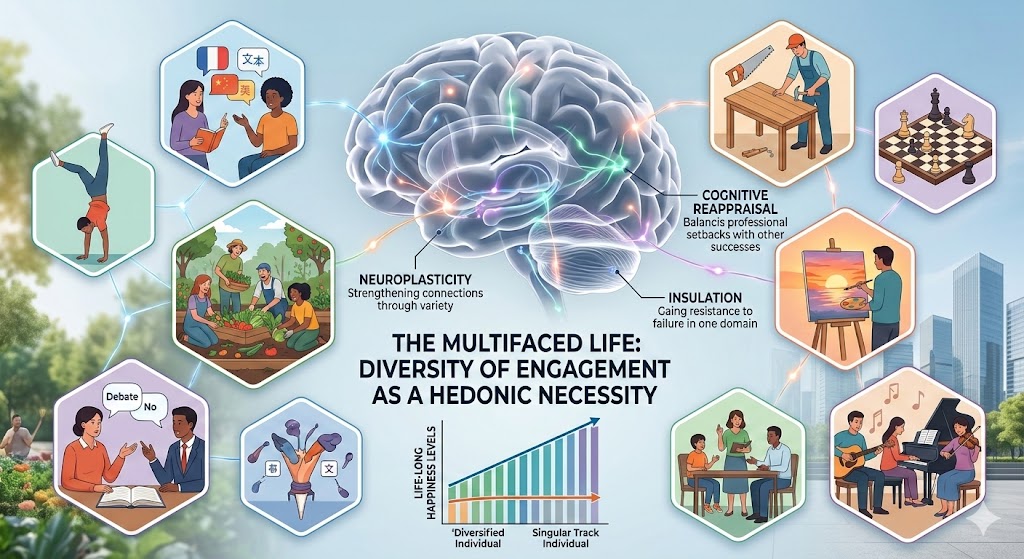
The Multifaceted Life: Diversity of Engagement as a Hedonic Necessity
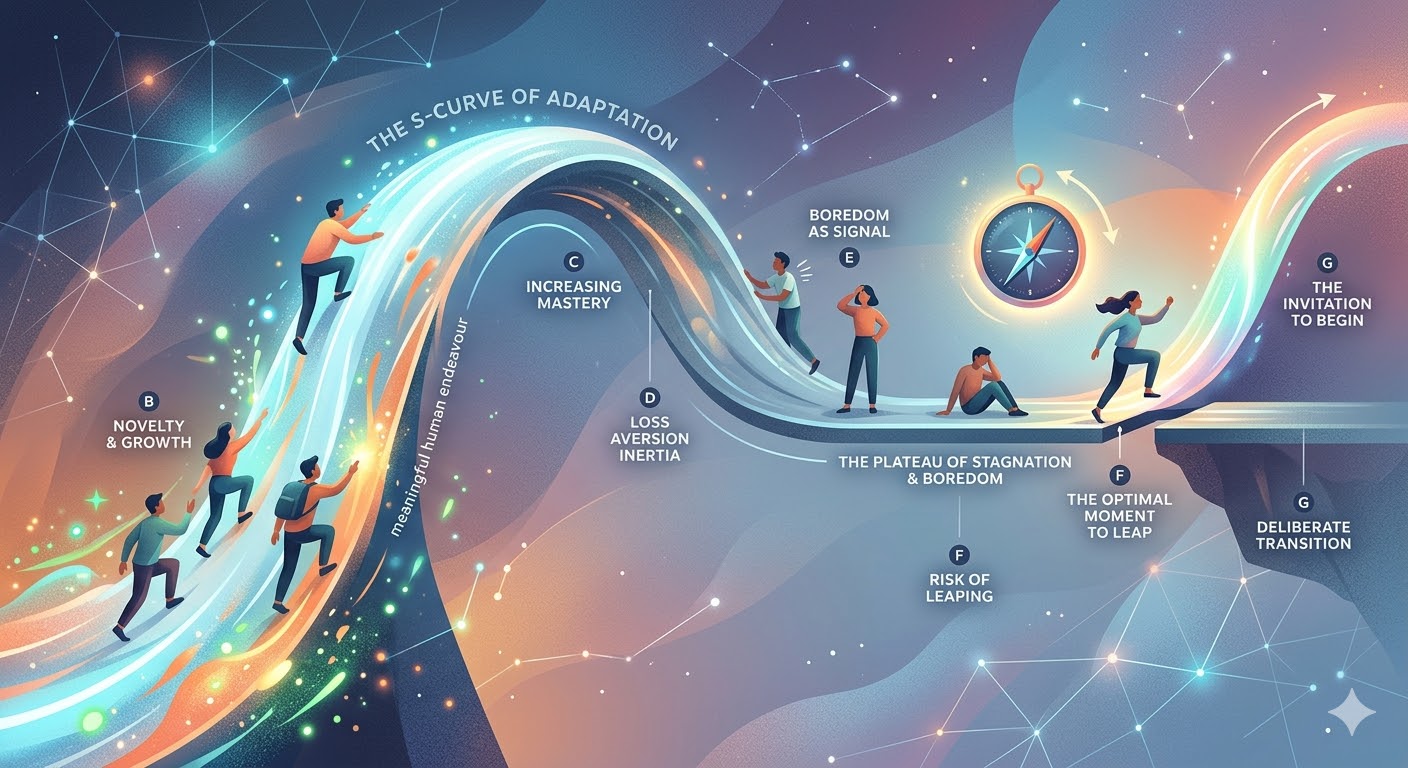
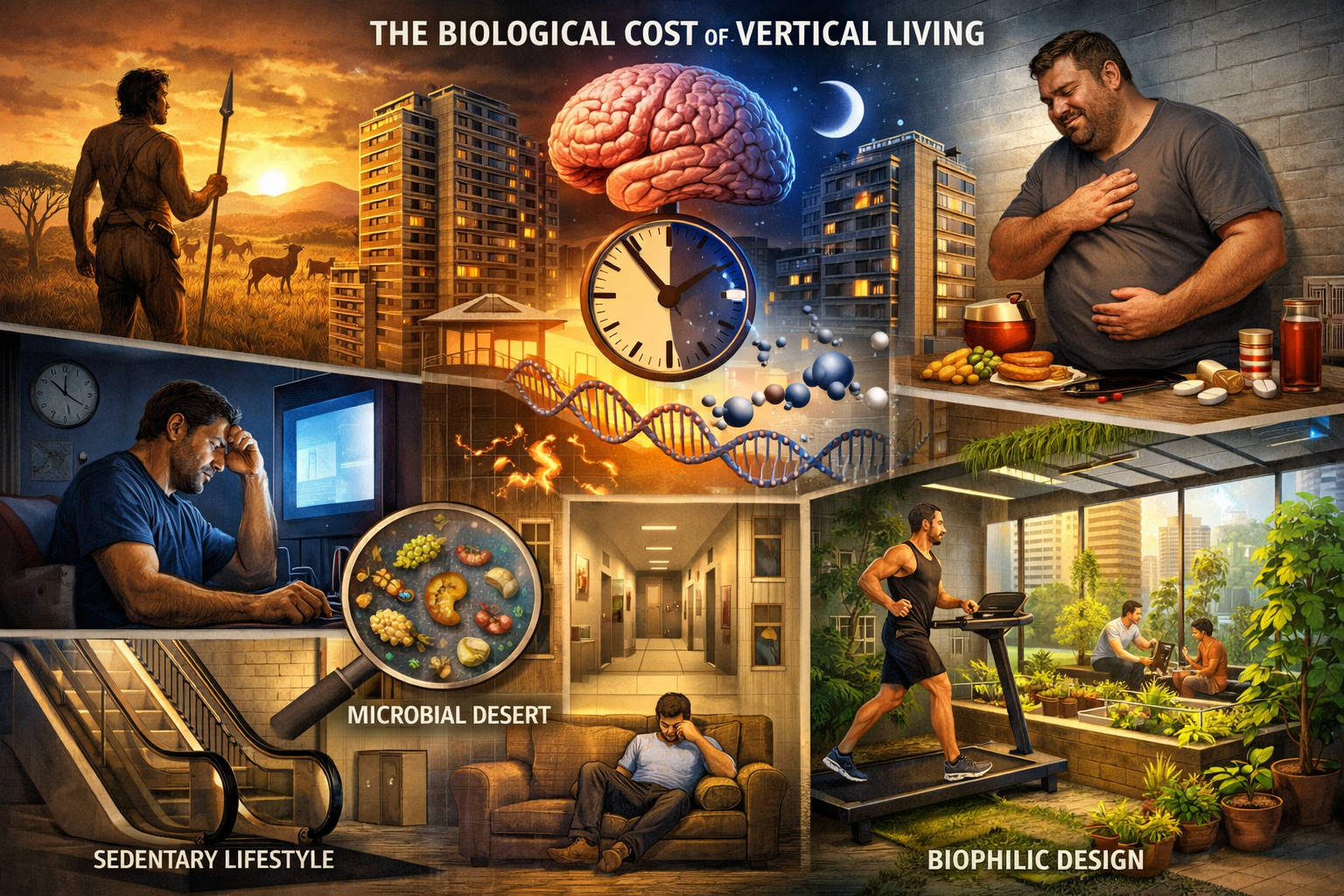
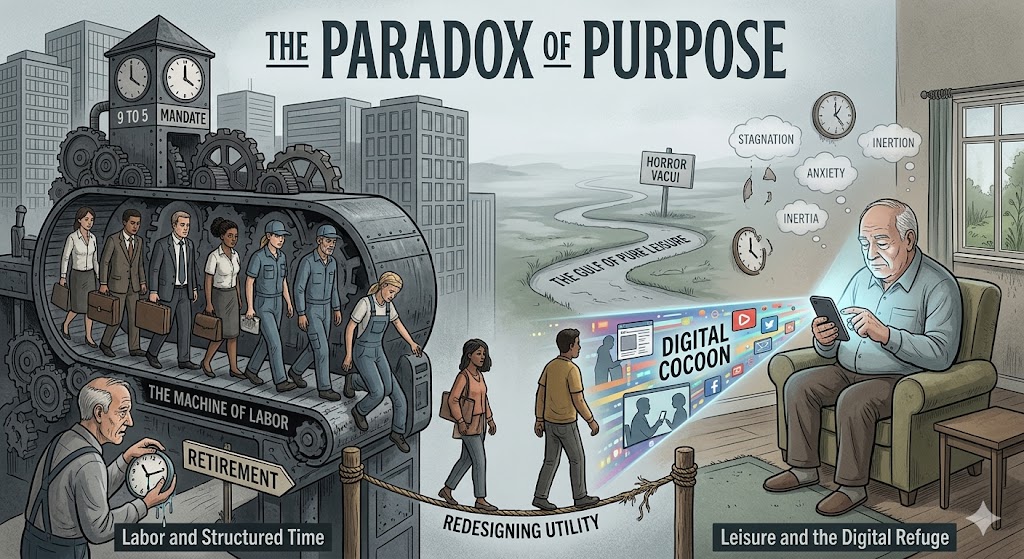
A. In the contemporary landscape of high-efficiency labor, the modern individual is often funneled into a “singular track” of existence. While professional specialization drives economic growth, it may be the primary architect of the current epidemic of anomie and psychological stagnation. Evolutionary psychology posits that the human psyche did not evolve for the repetitive, monodisciplinary routines of the 21st century. Instead, our ancestors’ survival was predicated on a diverse repertoire of cognitive and physical demands—from tracking migration patterns to sophisticated social negotiation and communal storytelling.
B. From a neurobiological perspective, a wide range of varied activities serves as the essential substrate for neuroplasticity. When an individual engages in disparate tasks—such as learning a new language, physical manual labor, and creative expression—the brain is forced to navigate “cross-modal” neural pathways. This variety prevents cognitive entrenchment, a state where neural networks become rigid and less adaptable. Without this diversity, the dopaminergic system—the brain’s primary reward mechanism—often suffers from habituation. When activities become too predictable, the “dopamine hit” diminishes, leading to an emotional state devoid of zest.
C. Furthermore, the concept of psychological compartmentalization plays a vital role in lifelong happiness. By maintaining a broad portfolio of interests, an individual gains insulation against failure in any single domain. If a person’s identity is tied solely to their career, a professional setback becomes a catastrophic blow to their self-worth. Conversely, a “diversified self” allows for cognitive reappraisal; a bad day at the office is balanced by a successful session in a communal garden or progress in a complex hobby. This variety fosters a resilience that a specialized life simply cannot offer.
D. However, modern society often views leisure and variety as futile distractions from “real work.” This perspective is professionally hazardous, as it ignores the phenomenon of “cross-pollination.” Insights gained from a weekend of carpentry or the rational detachment required in a game of chess can often solve complex problems in the boardroom. The deleterious effects of a “gray life”—one focused on a single pursuit—include increased cortisol levels and a higher susceptibility to erratic behavior under pressure.
E. Ultimately, achieving lifelong happiness requires a collaborative sanctuary between our work life and our primal need for variety. We must move past the veneer of “busyness” and embrace a more chaotic, multifaceted engagement with the world. To live deeply is to live broadly. The goal is not to master one trade, but to engage in a continuous reciprocity between the different facets of the human experience, ensuring that our amygdala is not constantly in a state of high-alert due to the monotony of a single, high-stakes path.
Audio
Volcabularies Recap
Click to expand …
| Term | Pronunciation | Root | Definition | Usage Example |
| Hedonic Necessity | /hiːˈdɒnɪk nəˈsɛsɪti/ | Greek hedone (pleasure) + Latin necesse (unavoidable) | The psychological requirement for variety/pleasure to maintain mental stability. | “A diverse range of hobbies is not a luxury, but a hedonic necessity to ward off burnout.” |
| Anomie | /ˈænəmi/ | Greek a- (without) + nomos (law/custom) | A state of social instability, rootlessness, or lack of purpose. | “Hyper-specialized labor often results in a sense of anomie, as the individual feels like a cog in a machine.” |
| Stagnation | /stæɡˈneɪʃn/ | Latin stagnatum (standing water) | A state of no progress, growth, or development. | “Intellectual stagnation is the inevitable result of a life stripped of new challenges.” |
| Posits | /ˈpɒzɪts/ | Latin ponere (to place or put) | To put forward as a fact or as the basis for an argument. | “Modern psychology posits that happiness is a byproduct of meaningful, varied engagement.” |
| Repertoire | /ˈrepətwɑː(r)/ | Latin repertorium (an inventory or list) | A stock of skills or behaviors that a person habitually uses. | “Expanding one’s creative repertoire acts as a buffer against professional setbacks.” |
| Essential substrate for neuroplasticity | /ɪˈsenʃl ˈsʌbstreɪt fɔː(r) ˌnjʊərəʊplæˈstɪsəti/ | Latin sub (under) + sternere (to spread) + Greek plastikos (molded) | The underlying physical layer (neurons) that allows the brain to adapt. | “Novel experiences provide the essential substrate for neuroplasticity, keeping the mind agile.” |
| Disparate tasks | /ˈdɪspərət tɑːsks/ | Latin disparatus (separated/divided) | Activities that are fundamentally different and unrelated to each other. | “Balancing disparate tasks like coding and oil painting engages both hemispheres of the brain.” |
| Cognitive entrenchment | /ˈkɒɡnətɪv ɪnˈtrentʃmənt/ | Latin cognitio (knowledge) + Old French enche (to fix/ditch) | A state where high expertise leads to mental rigidity and an inability to see new perspectives. | “The danger of long-term specialization is cognitive entrenchment, where one’s perspective becomes fixed.” |
| Zest | /zest/ | French zeste (citrus peel/flavoring) | Great enthusiasm, energy, and a “flavor” for life. | “Maintaining a zest for existence requires one to remain a ‘perpetual beginner’ in new fields.” |
| Communal garden | /kəˈmjuːnl ˈɡɑːdn/ | Latin communis (shared) + Old French jardin | (Metaphorical) A shared space for the growth of collective ideas and well-being. | “We must treat our cultural heritage as a communal garden that requires diverse tending.” |
| Cross-pollination | /ˌkrɒs ˌpɒləˈneɪʃn/ | Latin crux (cross) + pollen (fine dust) | The exchange of ideas or skills between different fields for mutual benefit. | “The cross-pollination of philosophy and data science can lead to more ethical technology.” |
| Carpentry | /ˈkɑːpəntri/ | Latin carpentarius (wagon-maker) | The craft of woodworking; often used as a metaphor for tangible, manual labor. | “Engaging in carpentry provides a sense of physical accomplishment that digital work lacks.” |
| Susceptibility | /səˌseptəˈbɪləti/ | Latin suscipere (to take up/admit) | The state of being likely to be influenced or harmed by something. | “A lack of variety increases one’s susceptibility to psychological fatigue.” |
| High-stakes path | /haɪ steɪks pɑːθ/ | Old English staca (a wager) + pæth (track/way) | A course of action involving great risk but potentially high rewards. | “Transitioning to autonomous labor is a high-stakes path that demands immense resilience.” |
English Vietnamese Translation
Click to expand …
The Multifaceted Life: Diversity of Engagement as a Hedonic Necessity
A. In the contemporary landscape of high-efficiency labor, the modern individual is often funneled into a “singular track” of existence. While professional specialization drives economic growth, it may be the primary architect of the current epidemic of anomie and psychological stagnation. Evolutionary psychology posits that the human psyche did not evolve for the repetitive, monodisciplinary routines of the 21st century. Instead, our ancestors’ survival was predicated on a diverse repertoire of cognitive and physical demands—from tracking migration patterns to sophisticated social negotiation and communal storytelling.
B. From a neurobiological perspective, a wide range of varied activities serves as the essential substrate for neuroplasticity. When an individual engages in disparate tasks—such as learning a new language, physical manual labor, and creative expression—the brain is forced to navigate “cross-modal” neural pathways. This variety prevents cognitive entrenchment, a state where neural networks become rigid and less adaptable. Without this diversity, the dopaminergic system—the brain’s primary reward mechanism—often suffers from habituation. When activities become too predictable, the “dopamine hit” diminishes, leading to an emotional state devoid of zest.
C. Furthermore, the concept of psychological compartmentalization plays a vital role in lifelong happiness. By maintaining a broad portfolio of interests, an individual gains insulation against failure in any single domain. If a person’s identity is tied solely to their career, a professional setback becomes a catastrophic blow to their self-worth. Conversely, a “diversified self” allows for cognitive reappraisal; a bad day at the office is balanced by a successful session in a communal garden or progress in a complex hobby. This variety fosters a resilience that a specialized life simply cannot offer.
D. However, modern society often views leisure and variety as futile distractions from “real work.” This perspective is professionally hazardous, as it ignores the phenomenon of “cross-pollination.” Insights gained from a weekend of carpentry or the rational detachment required in a game of chess can often solve complex problems in the boardroom. The deleterious effects of a “gray life”—one focused on a single pursuit—include increased cortisol levels and a higher susceptibility to erratic behavior under pressure.
E. Ultimately, achieving lifelong happiness requires a collaborative sanctuary between our work life and our primal need for variety. We must move past the veneer of “busyness” and embrace a more chaotic, multifaceted engagement with the world. To live deeply is to live broadly. The goal is not to master one trade, but to engage in a continuous reciprocity between the different facets of the human experience, ensuring that our amygdala is not constantly in a state of high-alert due to the monotony of a single, high-stakes path.
Cuộc sống đa diện: Sự đa dạng trong trải nghiệm như một nhu cầu tất yếu về khoái lạc (Hedonic Necessity)
A. Trong bối cảnh lao động hiệu suất cao hiện nay, cá nhân hiện đại thường bị cuốn vào một “lộ trình đơn độc” của sự tồn tại. Mặc dù chuyên môn hóa nghề nghiệp thúc đẩy tăng trưởng kinh tế, nhưng nó có thể là kiến trúc sư chính dẫn đến đại dịch anomie (sự mất phương hướng xã hội) và sự trì trệ về tâm lý. Tâm lý học tiến hóa khẳng định (Posits) rằng tâm trí con người không tiến hóa để thích nghi với những quy trình lặp đi lặp lại, đơn ngành của thế kỷ 21. Thay vào đó, sự sống còn của tổ tiên chúng ta dựa trên một vốn kỹ năng (Repertoire) đa dạng về nhận thức và thể chất—từ việc theo dõi các dấu vết di cư đến những cuộc thương thảo xã hội phức tạp và kể chuyện cộng đồng.
B. Từ góc độ sinh học thần kinh, một loạt các hoạt động đa dạng đóng vai trò là cơ sở thiết yếu cho tính dẻo của thần kinh (Neuroplasticity). Khi một cá nhân tham gia vào các nhiệm vụ khác biệt (Disparate tasks)—như học một ngôn ngữ mới, lao động tay chân và biểu đạt sáng tạo—não bộ buộc phải điều hướng qua các con đường thần kinh “đa phương thức”. Sự đa dạng này ngăn chặn tình trạng xơ cứng nhận thức (Cognitive entrenchment), một trạng thái mà các mạng lưới thần kinh trở nên cứng nhắc và kém thích nghi. Thiếu đi sự đa dạng này, hệ thống dopaminergic—cơ chế khen thưởng chính của não—thường bị lờn (tập tính hóa). Khi các hoạt động trở nên quá dễ đoán, “cú hích dopamine” sẽ giảm dần, dẫn đến trạng thái cảm xúc thiếu đi nhiệt huyết (Zest).
C. Hơn nữa, khái niệm “phân ngăn tâm lý” đóng vai trò sống còn đối với hạnh phúc suốt đời. Bằng cách duy trì một danh mục sở thích rộng lớn, cá nhân có được sự “cách ly” trước những thất bại trong bất kỳ lĩnh vực đơn lẻ nào. Nếu danh tính của một người chỉ gắn liền với sự nghiệp, một bước lùi chuyên môn sẽ trở thành một đòn giáng thảm khốc vào giá trị bản thân. Ngược lại, một “cái tôi đa dạng” cho phép thực hiện tái đánh giá nhận thức; một ngày tồi tệ ở văn phòng sẽ được cân bằng bởi một buổi làm việc hiệu quả trong vườn cộng đồng (Communal garden) hoặc sự tiến bộ trong một sở thích phức tạp. Sự đa dạng này nuôi dưỡng một khả năng phục hồi (resilience) mà một cuộc sống chuyên môn hóa đơn thuần không thể mang lại.
D. Tuy nhiên, xã hội hiện đại thường coi giải trí và sự đa dạng là những sự xao nhãng vô ích khỏi “công việc thực thụ”. Quan điểm này tiềm ẩn nhiều rủi ro về mặt nghề nghiệp, vì nó phớt lờ hiện tượng “giao thoa tri thức” (Cross-pollination). Những hiểu biết thu được từ một ngày cuối tuần làm mộc (Carpentry) hoặc sự điềm tĩnh lý trí cần có trong một ván cờ thường có thể giải quyết các vấn đề phức tạp trong phòng họp quản trị. Những tác động có hại (Deleterious effects) của một “cuộc sống xám xịt”—cuộc sống chỉ tập trung vào một mục tiêu duy nhất—bao gồm mức cortisol tăng cao và khả năng bị tổn thương (Susceptibility) lớn hơn trước những hành vi thất thường dưới áp lực.
E. Cuối cùng, việc đạt được hạnh phúc suốt đời đòi hỏi một thánh đường hợp tác giữa đời sống công việc và nhu cầu nguyên thủy của chúng ta về sự đa dạng. Chúng ta phải vượt qua vẻ bề ngoài của sự “bận rộn” và đón nhận một sự tương tác đa diện, đôi khi hỗn loạn hơn với thế giới. Sống sâu sắc chính là sống rộng mở. Mục tiêu không phải là tinh thông một nghề duy nhất, mà là tham gia vào một sự tương hỗ liên tục giữa các khía cạnh khác nhau của trải nghiệm con người, đảm bảo rằng hạch hạnh nhân (amygdala) của chúng ta không liên tục ở trạng thái cảnh giác cao độ do sự đơn điệu của một lộ trình rủi ro cao (High-stakes path) duy nhất.