Câu chuyện về Regulus — vị tướng La Mã bị bắt làm tù binh, được thả về nhà với một điều kiện, rồi tự nguyện quay lại nhà giam và cái chết — là bài học bất diệt về điều mà người La Mã gọi là danh dự.
The Story of Regulus / Câu Chuyện Về Regulus by James Baldwin
Final Part: The Promise of Regulus
Part Cuối: Lời Hứa Của Regulus
On the other side of the sea from Rome there was once a great city named Carthage.
Ở bên kia biển so với Rome có một thành phố lớn tên là Carthage.
The Roman people were never very friendly to the people of Carthage, and at last a war began between them.
Người La Mã không bao giờ thân thiện lắm với người Carthage, và cuối cùng một cuộc chiến đã nổ ra giữa họ.
For a long time it was hard to tell which would prove the stronger. First the Romans would gain a battle, and then the men of Carthage would gain a battle; and so the war went on for many years.
Trong một thời gian dài, rất khó để biết ai sẽ chứng tỏ là mạnh hơn. Đầu tiên người La Mã sẽ thắng một trận, rồi quân Carthage lại thắng một trận; và cứ thế cuộc chiến kéo dài nhiều năm.
Among the Romans there was a brave general named Regulus — a man of whom it was said that he never broke his word.
Trong số người La Mã có một vị tướng dũng cảm tên là Regulus — một người mà người ta nói rằng ông không bao giờ nuốt lời.
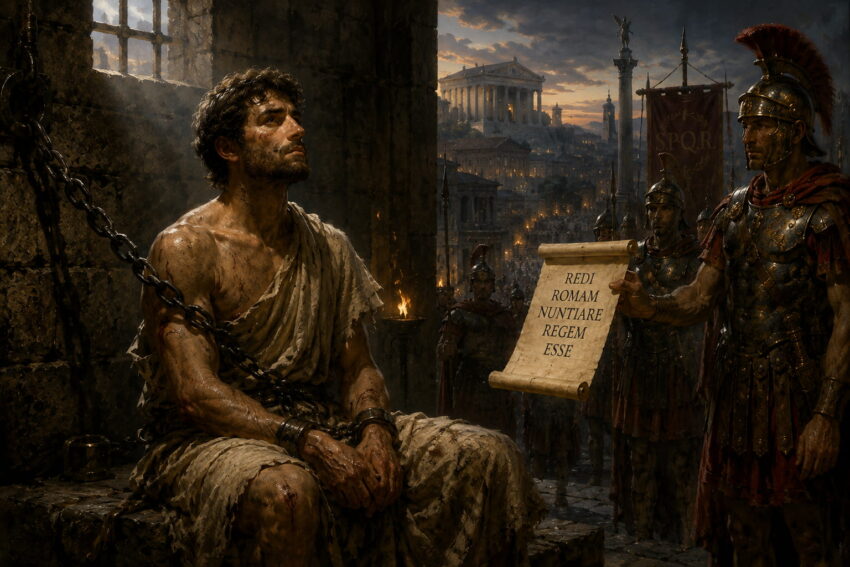
It so happened after a while, that Regulus was taken prisoner and carried to Carthage.
Về sau, xảy ra chuyện là Regulus bị bắt làm tù binh và bị đưa đến Carthage.
Ill and very lonely, he dreamed of his wife and little children so far away beyond the sea; and he had but little hope of ever seeing them again.
Ốm yếu và rất cô đơn, ông mơ về vợ và những đứa con nhỏ ở tận bên kia biển; và ông gần như không còn hy vọng gặp lại họ.
He loved his home dearly, but he believed that his first duty was to his country; and so he had left all, to fight in this cruel war.
Ông yêu quê nhà tha thiết, nhưng ông tin rằng bổn phận đầu tiên của mình là đối với tổ quốc; và vì vậy ông đã rời xa tất cả để chiến đấu trong cuộc chiến tàn khốc này.
He had lost a battle, it is true, and had been taken prisoner. Yet he knew that the Romans were gaining ground, and the people of Carthage were afraid of being beaten in the end.
Ông đã thua một trận, điều đó đúng, và đã bị bắt làm tù binh. Nhưng ông biết rằng người La Mã đang chiếm ưu thế, và người Carthage sợ bị đánh bại vào cuối cùng.
They had sent into other countries to hire soldiers to help them; but even with these they would not be able to fight much longer against Rome.
Họ đã gửi sang các nước khác để thuê lính giúp đỡ; nhưng ngay cả với những người này họ cũng không thể chiến đấu lâu hơn nhiều chống lại Rome.
One day some of the rulers of Carthage came to the prison to talk with Regulus.
Một ngày một số người cai trị Carthage đến nhà tù để nói chuyện với Regulus.
“We should like to make peace with the Roman people,” they said, “and we are sure, that, if your rulers at home knew how the war is going, they would be glad to make peace with us. We will set you free and let you go home, if you will agree to do as we say.”
“Chúng tôi muốn làm hòa với người La Mã,” họ nói, “và chúng tôi chắc chắn rằng nếu các nhà cai trị ở nhà của ông biết cuộc chiến đang diễn ra như thế nào, họ sẽ vui lòng làm hòa với chúng tôi. Chúng tôi sẽ thả ông tự do và cho ông về nhà, nếu ông đồng ý làm theo những gì chúng tôi nói.”
“What is that?” asked Regulus.
“Điều đó là gì?” Regulus hỏi.
“In the first place,” they said, “you must tell the Romans about the battles which you have lost, and you must make it plain to them that they have not gained anything by the war. In the second place, you must promise us, that, if they will not make peace, you will come back to your prison.”
“Trước hết,” họ nói, “ông phải nói với người La Mã về những trận mà ông đã thua, và ông phải làm rõ với họ rằng họ không đạt được gì qua cuộc chiến. Thứ hai, ông phải hứa với chúng tôi rằng, nếu họ không làm hòa, ông sẽ quay trở lại nhà tù.”
“Very well,” said Regulus, “I promise you, that, if they will not make peace, I will come back to prison.”
“Được thôi,” Regulus nói, “tôi hứa với các ông rằng, nếu họ không làm hòa, tôi sẽ quay trở lại nhà tù.”
And so they let him go; for they knew that a great Roman would keep his word.
Và vì vậy họ để ông đi; vì họ biết rằng một người La Mã vĩ đại sẽ giữ lời.
When he came to Rome, all the people greeted him gladly. His wife and children were very happy, for they thought that now they would not be parted again.
Khi ông đến Rome, tất cả mọi người chào đón ông vui vẻ. Vợ và con ông rất hạnh phúc, vì họ nghĩ rằng bây giờ họ sẽ không bị chia cắt nữa.
The white-haired Fathers who made the laws for the city came to see him. They asked him about the war.
Những vị cha già tóc bạc làm luật cho thành phố đến gặp ông. Họ hỏi ông về cuộc chiến.
“I was sent from Carthage to ask you to make peace,” he said. “But it will not be wise to make peace. True, we have been beaten in a few battles, but our army is gaining ground every day. The people of Carthage are afraid, and well they may be. Keep on with the war a little while longer, and Carthage shall be yours. As for me, I have come to bid my wife and children and Rome farewell. Tomorrow I will start back to Carthage and to prison; for I have promised.”
“Tôi được cử từ Carthage đến để xin các ông làm hòa,” ông nói. “Nhưng làm hòa sẽ không khôn ngoan. Đúng là chúng ta đã thua trong vài trận, nhưng quân đội chúng ta đang chiếm ưu thế mỗi ngày. Người Carthage đang sợ hãi, và họ có lý do để sợ. Hãy tiếp tục chiến đấu thêm một thời gian nữa, và Carthage sẽ là của các ông. Còn về phần tôi, tôi đến để từ biệt vợ con và Rome. Ngày mai tôi sẽ lên đường trở lại Carthage và nhà tù; vì tôi đã hứa.”
Then the Fathers tried to persuade him to stay.
Rồi các vị cha già cố thuyết phục ông ở lại.
“Let us send another man in your place,” they said.
“Hãy để chúng tôi cử người khác thay ông,” họ nói.
“Shall a Roman not keep his word?” answered Regulus. “I am ill, and at the best have not long to live. I will go back, as I promised.”
“Há một người La Mã lại không giữ lời hứa?” Regulus trả lời. “Tôi đang ốm, và trong trường hợp tốt nhất cũng không sống được lâu. Tôi sẽ trở về, như tôi đã hứa.”
His wife and little children wept, and his sons begged him not to leave them again.
Vợ và những đứa con nhỏ của ông khóc, và các con trai van xin ông đừng rời bỏ họ một lần nữa.
“I have given my word,” said Regulus. “The rest will be taken care of.”
“Tôi đã đưa ra lời hứa,” Regulus nói. “Phần còn lại sẽ được lo liệu.”
Then he bade them good-by, and went bravely back to the prison and the cruel death which he expected.
Rồi ông từ biệt họ, và dũng cảm quay trở lại nhà tù và cái chết tàn khốc mà ông dự đoán.
This was the kind of courage that made Rome the greatest city in the world.
Đó là loại dũng cảm đã làm cho Rome trở thành thành phố vĩ đại nhất trên thế giới.
The End / Kết Thúc
Special Topic: Honor Above Life
Bình Luận: Danh Dự Trên Cả Sinh Mạng
“The Story of Regulus” is one of the great moral tales of Western antiquity, retold here by James Baldwin in spare, direct prose suited to young readers — yet the ethical weight it carries is anything but light.
“The Story of Regulus” là một trong những câu chuyện đạo đức vĩ đại của phương Tây thời cổ đại, được James Baldwin kể lại ở đây bằng văn xuôi ngắn gọn, trực tiếp phù hợp với độc giả trẻ — nhưng sức nặng đạo đức mà nó mang theo thật sự không nhẹ nhàng chút nào.
Marcus Atilius Regulus was a real Roman consul and general of the First Punic War, captured by Carthaginian forces around 255 BCE. The legend of his return — whether historically accurate or embellished by Roman tradition — became one of the defining stories of Roman virtue for centuries.
Marcus Atilius Regulus là một quan chấp chính và tướng quân La Mã thực sự trong Chiến tranh Punic Thứ Nhất, bị quân Carthage bắt giữ vào khoảng năm 255 trước Công nguyên. Huyền thoại về sự trở lại của ông — dù chính xác về mặt lịch sử hay được thêu dệt bởi truyền thống La Mã — đã trở thành một trong những câu chuyện định hình đức hạnh La Mã trong nhiều thế kỷ.
The story’s moral architecture is beautifully simple: Regulus is given the chance to save himself by either staying in Rome or by advocating for peace that serves Carthage’s interests. He does neither. Instead, he advises against peace, then voluntarily returns to captivity and the death he knows awaits him.
Kiến trúc đạo đức của câu chuyện đơn giản một cách đẹp đẽ: Regulus được trao cơ hội cứu bản thân bằng cách ở lại Rome hoặc ủng hộ hòa bình phục vụ lợi ích của Carthage. Ông không làm cả hai. Thay vào đó, ông khuyên chống lại hòa bình, rồi tự nguyện trở lại giam cầm và cái chết mà ông biết đang chờ đợi.
This threefold integrity — honesty with his own people, counsel against his captors’ interests, and faithfulness to a promise made to enemies — is what Baldwin identifies as the source of Rome’s greatness. The story is not merely about one man’s courage but about a civic ideal: that a civilization is only as strong as the word of its citizens.
Sự chính trực ba chiều này — trung thực với người của mình, lời khuyên chống lại lợi ích của những kẻ bắt giữ ông, và trung thành với lời hứa đã đưa ra với kẻ thù — là điều mà Baldwin xác định là nguồn gốc vĩ đại của Rome. Câu chuyện không chỉ đơn thuần là về lòng dũng cảm của một người mà còn về một lý tưởng công dân: rằng một nền văn minh chỉ mạnh mẽ như lời nói của công dân của nó.
Baldwin’s version is notable for what it does not say. It does not describe Regulus’s death, which in some classical sources involved torture. Instead it ends with the sentence “This was the kind of courage that made Rome the greatest city in the world” — a statement that places the individual act within the larger frame of civilizational meaning.
Phiên bản của Baldwin đáng chú ý vì những gì nó không nói. Nó không mô tả cái chết của Regulus, mà trong một số nguồn cổ điển liên quan đến tra tấn. Thay vào đó nó kết thúc với câu “Đó là loại dũng cảm đã làm cho Rome trở thành thành phố vĩ đại nhất trên thế giới” — một tuyên bố đặt hành động cá nhân trong khung ý nghĩa văn minh lớn hơn.
The domestic dimension of the story is its most humanizing element. Regulus is not an abstraction — he is a husband and father who loves his family. The scene of his wife and children weeping as he prepares to leave for the second time grounds the legend in real emotional cost. His sacrifice is not effortless but chosen.
Chiều kích gia đình của câu chuyện là yếu tố nhân văn nhất. Regulus không phải là một sự trừu tượng — ông là người chồng và người cha yêu thương gia đình. Cảnh vợ và con ông khóc khi ông chuẩn bị rời đi lần thứ hai đặt huyền thoại vào chi phí cảm xúc thực sự. Sự hy sinh của ông không phải là dễ dàng mà là được lựa chọn.
The detail that even Carthage trusted Regulus to return — “they knew that a great Roman would keep his word” — is the story’s quiet masterstroke. Integrity so complete that even enemies rely upon it is the highest form of honor imaginable, and it crosses the boundary of friend and foe entirely.
Chi tiết rằng ngay cả Carthage cũng tin tưởng Regulus sẽ trở lại — “họ biết rằng một người La Mã vĩ đại sẽ giữ lời” — là nước đi xuất sắc lặng lẽ của câu chuyện. Sự chính trực hoàn toàn đến mức ngay cả kẻ thù cũng dựa vào đó là hình thức danh dự cao nhất có thể tưởng tượng, và nó hoàn toàn vượt qua ranh giới giữa bạn và thù.
“The Story of Regulus” endures because it poses a question that remains uncomfortable in every era: if keeping your word costs you everything — your freedom, your family, your life — does a person of true honor keep it anyway? Regulus, and the Roman tradition that preserved his memory, answer yes.
“The Story of Regulus” trường tồn vì nó đặt ra một câu hỏi vẫn còn khó chịu trong mọi thời đại: nếu giữ lời hứa khiến bạn mất tất cả — tự do, gia đình, mạng sống — liệu một người có danh dự thực sự có giữ lời không? Regulus, và truyền thống La Mã đã bảo tồn ký ức của ông, trả lời có.
The End / Kết Thúc
Mastering “The Story of Regulus”
Analyze Roman honor, the cost of integrity, and the conflict between personal safety and public duty.
1. Why did the Carthaginians send Regulus back to Rome after keeping him as a prisoner for five years?
2. What was the specific condition Regulus agreed to before leaving Carthage for Rome?
3. How did Regulus behave when he first arrived at the gates of Rome?
4. What was Regulus’s actual advice to the Roman Senate regarding the peace treaty?
5. Why did the Roman Senate and people try to persuade Regulus to stay in Rome?
6. What was Regulus’s famous reasoning for insisting on his return to Carthage?
7. How does the story describe Regulus’s departure from Rome?
8. What happened to Regulus once he reached Carthage?
9. In Roman culture, as portrayed in this story, what is the ultimate “Masterpiece” of a man’s life?
10. What is the lasting legacy of Regulus according to James Baldwin’s retelling?