Câu chuyện dân gian về Vua Alfred — vị vua bị đánh bật khỏi ngai vàng, ẩn náu trên một hòn đảo nhỏ — dạy rằng lòng hào phóng trong lúc khốn khó chính là hạt giống của điều kỳ diệu.
King Alfred and the Beggar / Vua Alfred và Người Ăn Xin by James Baldwin
Final Part: The Beggar and the Dream
Part Cuối: Người Ăn Xin và Giấc Mơ
At one time the Danes drove King Alfred from his kingdom, and he had to lie hidden for a long time on a little island in a river.
Có một thời người Đan Mạch đã đánh đuổi Vua Alfred ra khỏi vương quốc của ông, và ông phải ẩn náu trong một thời gian dài trên một hòn đảo nhỏ giữa dòng sông.
One day, all who were on the island, except the king and queen and one servant, went out to fish. It was a very lonely place, and no one could get to it except by a boat.
Một ngày, tất cả những người trên đảo, trừ nhà vua, hoàng hậu và một người hầu, đều ra ngoài câu cá. Đó là một nơi rất hẻo lánh, và không ai có thể đến đó ngoại trừ bằng thuyền.
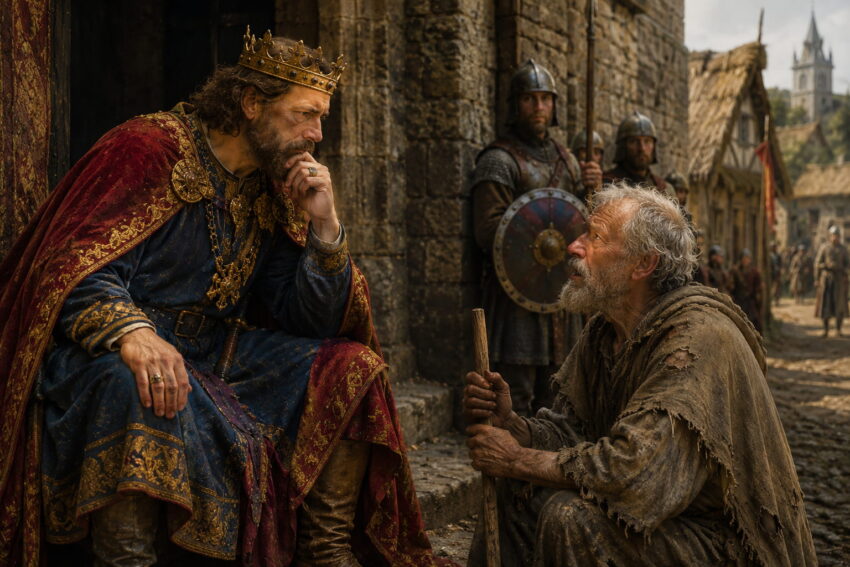
About noon a ragged beggar came to the king’s door and asked for food.
Vào khoảng giữa trưa, một người ăn xin rách rưới đến cửa nhà vua và xin thức ăn.
The king called the servant, and asked, “How much food have we in the house?”
Nhà vua gọi người hầu lại và hỏi, “Chúng ta còn bao nhiêu thức ăn trong nhà?”
“My lord,” said the servant, “we have only one loaf and a little wine.”
“Thưa chúa công,” người hầu nói, “chúng ta chỉ còn một ổ bánh mì và một ít rượu.”
Then the king gave thanks to God, and said, “Give half of the loaf and half of the wine to this poor man.”
Rồi nhà vua tạ ơn Chúa và nói, “Hãy cho người nghèo này nửa ổ bánh mì và nửa phần rượu.”
The servant did as he was bidden. The beggar thanked the king for his kindness and went on his way.
Người hầu làm theo lệnh. Người ăn xin cảm ơn nhà vua vì lòng tốt và tiếp tục lên đường.
In the afternoon the men who had gone out to fish came back. They had three boats full of fish, and they said, “We have caught more fish today than in all the other days that we have been on this island.”
Buổi chiều những người đi câu cá trở về. Họ có ba chiếc thuyền đầy cá, và họ nói, “Hôm nay chúng tôi bắt được nhiều cá hơn tất cả những ngày chúng tôi ở trên đảo này cộng lại.”
The king was glad, and he and his people were more hopeful than they had ever been before.
Nhà vua vui mừng, và ông cùng với những người của mình tràn đầy hy vọng hơn bao giờ hết.
When night came, the king lay awake for a long time and thought about the things that had happened that day.
Khi màn đêm xuống, nhà vua nằm thức trong một thời gian dài và suy nghĩ về những điều đã xảy ra trong ngày hôm đó.
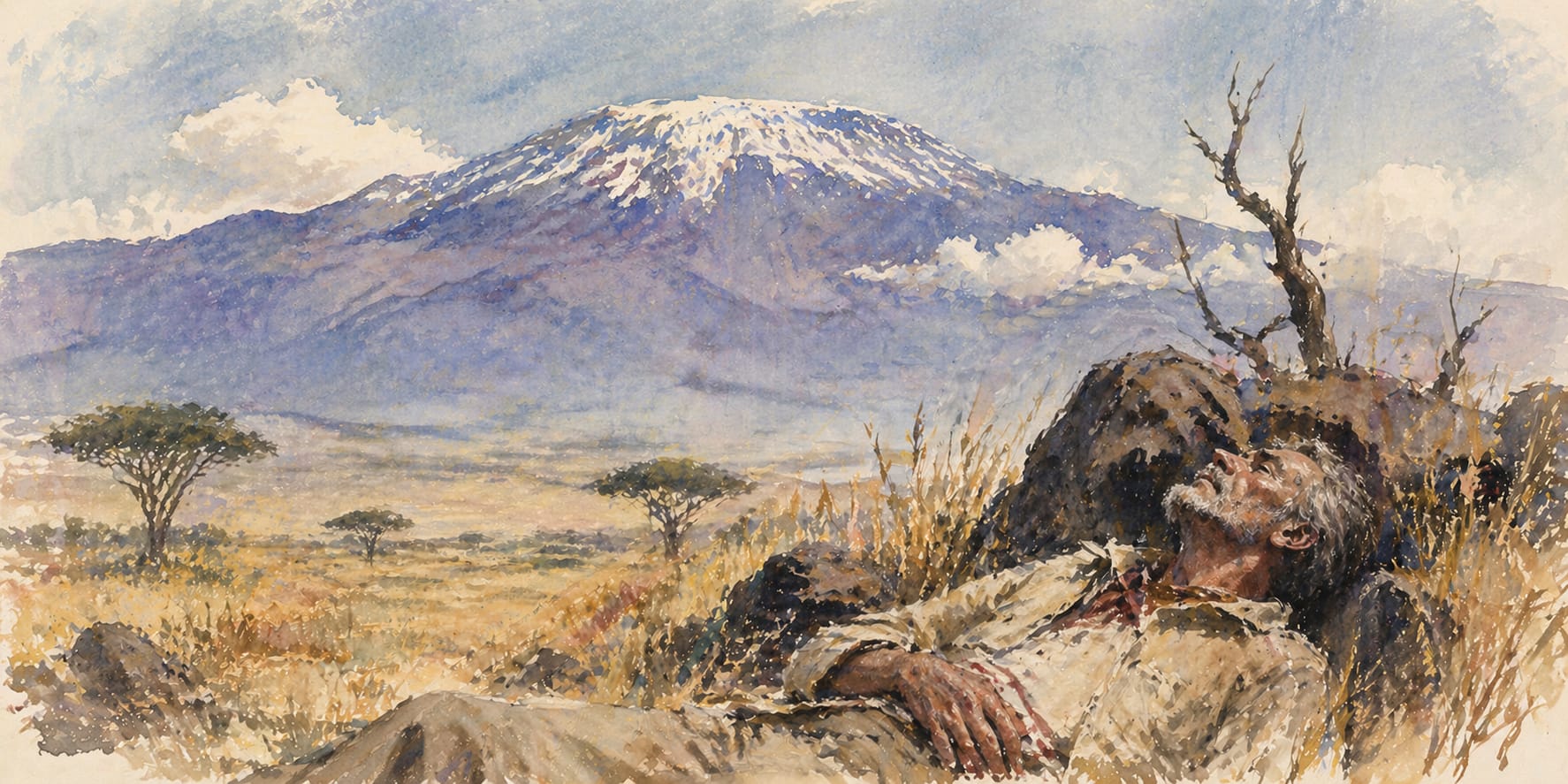
At last he fancied that he saw a great light like the sun; and in the midst of the light there stood an old man with black hair, holding an open book in his hand.
Cuối cùng ông tưởng tượng thấy một ánh sáng rực rỡ như mặt trời; và giữa ánh sáng đó đứng một ông lão tóc đen, cầm một cuốn sách mở trên tay.
It may all have been a dream, and yet to the king it seemed very real indeed. He looked and wondered, but was not afraid.
Có lẽ tất cả chỉ là một giấc mơ, nhưng với nhà vua nó có vẻ rất thực. Ông nhìn và kinh ngạc, nhưng không sợ hãi.
“Who are you?” he asked of the old man.
“Ông là ai?” ông hỏi người đàn ông già.
“Alfred, my son, be brave,” said the man; “for I am the one to whom you gave this day the half of all the food that you had.
“Alfred, con trai ta, hãy dũng cảm,” người đàn ông nói; “vì ta là người mà hôm nay con đã cho nửa phần lương thực mà con có.
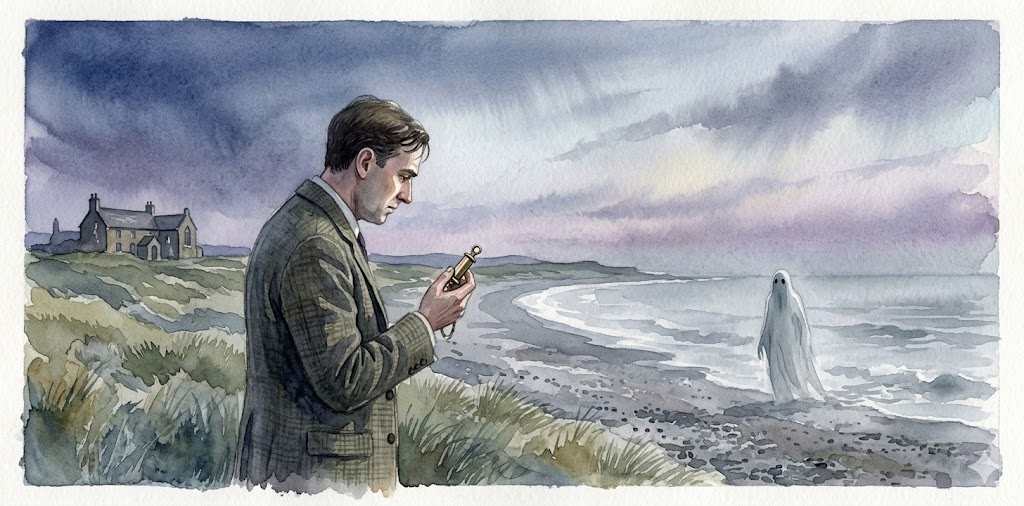
Be strong and joyful of heart, and listen to what I say. Rise up early in the morning and blow your horn three times, so loudly that the Danes may hear it.
Hãy mạnh mẽ và vui lòng, và lắng nghe những gì ta nói. Hãy thức dậy sớm vào buổi sáng và thổi kèn ba lần, thật to để người Đan Mạch có thể nghe thấy.
By nine o’clock, five hundred men will be around you ready to be led into battle. Go forth bravely, and within seven days your enemies shall be beaten, and you shall go back to your kingdom to reign in peace.”
Đến chín giờ, năm trăm người sẽ vây quanh con sẵn sàng được dẫn ra trận. Hãy tiến bước dũng cảm, và trong vòng bảy ngày kẻ thù của con sẽ bị đánh bại, và con sẽ trở về vương quốc để cai trị trong hòa bình.”
Then the light went out, and the man was seen no more.
Rồi ánh sáng tắt đi, và người đàn ông không còn thấy nữa.
In the morning the king arose early and crossed over to the mainland. Then he blew his horn three times very loudly; and when his friends heard it they were glad, but the Danes were filled with fear.
Vào buổi sáng nhà vua thức dậy sớm và băng qua đất liền. Rồi ông thổi kèn ba lần thật to; và khi bạn bè của ông nghe thấy họ vui mừng, nhưng người Đan Mạch tràn đầy nỗi sợ hãi.
At nine o’clock, five hundred of his bravest soldiers stood around him ready for battle.
Đến chín giờ, năm trăm chiến sĩ dũng cảm nhất của ông đứng xung quanh ông sẵn sàng cho trận chiến.
He spoke and told them what he had seen and heard in his dream; and when he had finished, they all cheered loudly and said that they would follow him and fight for him so long as they had strength.
Ông lên tiếng và kể cho họ nghe những gì ông đã thấy và nghe trong giấc mơ; và khi ông nói xong, tất cả họ đều hô vang và nói rằng họ sẽ đi theo ông và chiến đấu cho ông miễn là họ còn sức lực.
So they went out bravely to battle; and they beat the Danes and drove them back into their own place. And King Alfred ruled wisely and well over all his people for the rest of his days.
Thế là họ dũng cảm ra trận; và họ đánh bại người Đan Mạch và đẩy họ trở về nơi của họ. Và Vua Alfred cai trị một cách khôn ngoan và tốt đẹp trên tất cả người dân của mình cho đến cuối đời.
The End / Kết Thúc
Special Topic: The Reward of Generosity
Bình Luận: Phần Thưởng Của Lòng Hào Phóng
“King Alfred and the Beggar” is a brief moral tale drawn from English folklore, retold by James Baldwin for young readers, yet carrying within its few paragraphs a set of ideas that have resonated across centuries: that generosity in extremity is not weakness but wisdom, and that the lowest moment of a life can be its turning point.
“King Alfred and the Beggar” là một câu chuyện ngắn về đạo đức rút ra từ truyện dân gian Anh, được James Baldwin kể lại cho độc giả trẻ, nhưng mang trong vài đoạn văn ngắn ngủi một tập hợp ý tưởng vang vọng qua nhiều thế kỷ: rằng lòng hào phóng trong lúc cùng cực không phải là điểm yếu mà là sự khôn ngoan, và rằng khoảnh khắc thấp nhất của một cuộc đời có thể là bước ngoặt của nó.
The historical Alfred — Alfred the Great, King of Wessex in the ninth century — was indeed driven into hiding by Danish invaders, and the period of his concealment in the Somerset marshes is one of the most famous episodes in early English history.
Alfred lịch sử — Alfred Đại Đế, Vua xứ Wessex vào thế kỷ thứ chín — quả thật bị đánh đuổi vào chỗ ẩn náu bởi những kẻ xâm lược Đan Mạch, và giai đoạn ông ẩn náu trong những đầm lầy Somerset là một trong những giai đoạn nổi tiếng nhất trong lịch sử Anh sơ khai.
Baldwin’s version distills the legend to its moral essence: a king who has lost everything except his character makes a choice — to give half of his last food to a stranger — and that choice becomes the hinge on which his entire fortune turns.
Phiên bản của Baldwin chắt lọc huyền thoại đến bản chất đạo đức của nó: một vị vua đã mất tất cả trừ phẩm cách đưa ra một lựa chọn — cho một nửa phần thức ăn cuối cùng cho một người lạ — và lựa chọn đó trở thành bản lề mà toàn bộ vận mệnh của ông xoay quanh.
The beggar’s identity — revealed in the dream as the divine stranger to whom the gift was made — belongs to a long tradition in world literature and religion: the sacred visitor in disguise, the test of charity that determines worthiness for grace. From the Greek gods walking among mortals to the angels visiting Abraham, the unknown guest is always, potentially, the divine.
Danh tính của người ăn xin — được tiết lộ trong giấc mơ là người lạ thần thánh người nhận món quà — thuộc về một truyền thống lâu dài trong văn học và tôn giáo thế giới: vị khách thiêng liêng ẩn danh, bài kiểm tra lòng từ thiện xác định sự xứng đáng nhận ân huệ. Từ các vị thần Hy Lạp đi bộ giữa những người phàm trần đến các thiên thần thăm Abraham, người khách không quen biết luôn, có thể là, thần thánh.
What gives the story its particular power is the arithmetic of the gift. Alfred does not give from abundance — he gives from scarcity. Half of one loaf and half of a little wine is not generosity that costs nothing; it is generosity that costs everything available. This is the distinction that Baldwin’s tale understands and honors.
Điều mang lại cho câu chuyện sức mạnh đặc biệt của nó là phép tính của món quà. Alfred không cho từ sự dồi dào — ông cho từ sự khan hiếm. Nửa ổ bánh mì và nửa phần rượu ít ỏi không phải là lòng hào phóng không tốn kém gì; đó là lòng hào phóng tốn kém tất cả những gì có thể. Đây là sự phân biệt mà câu chuyện của Baldwin hiểu và tôn trọng.
The catch of fish that follows — three boats full, more than all previous days combined — is the story’s first reward, but it is a communal reward: everyone benefits when the leader acts with generosity. This is not coincidence but parable: leadership grounded in giving creates abundance for all.
Mẻ cá tiếp theo — ba thuyền đầy, nhiều hơn tất cả những ngày trước cộng lại — là phần thưởng đầu tiên của câu chuyện, nhưng đó là phần thưởng cộng đồng: tất cả mọi người đều được hưởng lợi khi người lãnh đạo hành động với lòng hào phóng. Đây không phải là sự trùng hợp mà là ngụ ngôn: sự lãnh đạo dựa trên sự cho đi tạo ra sự dồi dào cho tất cả.
The dream vision is the story’s climax, but Baldwin wisely adds a caveat — “it may all have been a dream” — that keeps the tale grounded. The miracle, if it is one, works through natural means: the horn blown, the soldiers rallied, the battle fought. Faith here is not passive but active — it is the courage to act as though the dream were true.
Giấc mơ là đỉnh điểm của câu chuyện, nhưng Baldwin khôn ngoan thêm một lời cảnh báo — “có lẽ tất cả chỉ là một giấc mơ” — giúp câu chuyện vẫn bám chắc vào mặt đất. Điều kỳ diệu, nếu có, hoạt động qua những phương tiện tự nhiên: tiếng kèn thổi, những người lính tập hợp, trận chiến được đánh. Đức tin ở đây không phải là thụ động mà là chủ động — đó là lòng dũng cảm hành động như thể giấc mơ là thật.
“King Alfred and the Beggar” endures in the children’s canon because it asks a question that is never too simple regardless of age: when you have almost nothing, what will you give? And it answers with equal simplicity: give what you can, and trust that the act itself opens the door to what comes next.
“King Alfred and the Beggar” trường tồn trong văn học thiếu nhi vì nó đặt ra một câu hỏi không bao giờ quá đơn giản bất kể tuổi tác: khi bạn gần như không có gì, bạn sẽ cho gì? Và nó trả lời với sự đơn giản tương đương: hãy cho những gì bạn có thể, và tin tưởng rằng chính hành động đó mở cánh cửa cho những gì tiếp theo.
The End / Kết Thúc
Mastering “King Alfred and the Beggar”
Analyze character virtues, historical context, and the power of generosity.
1. What is the historical situation of King Alfred at the beginning of the story?
2. How much food did the King and Queen have left when the beggar arrived?
3. Why did the Queen hesitate to give bread to the beggar?
4. What was King Alfred’s reasoning for sharing the last loaf?
5. What miracle or “coincidence” occurred shortly after the beggar left?
6. In the dream Alfred had that night, who was the beggar revealed to be?
7. What prophecy or promise was given to Alfred in his dream?
8. How did this encounter affect the soldiers’ morale?
9. What “Deep Learning” takeaway does this story offer about leadership?
10. Why is King Alfred known as “Alfred the Great” in English history?