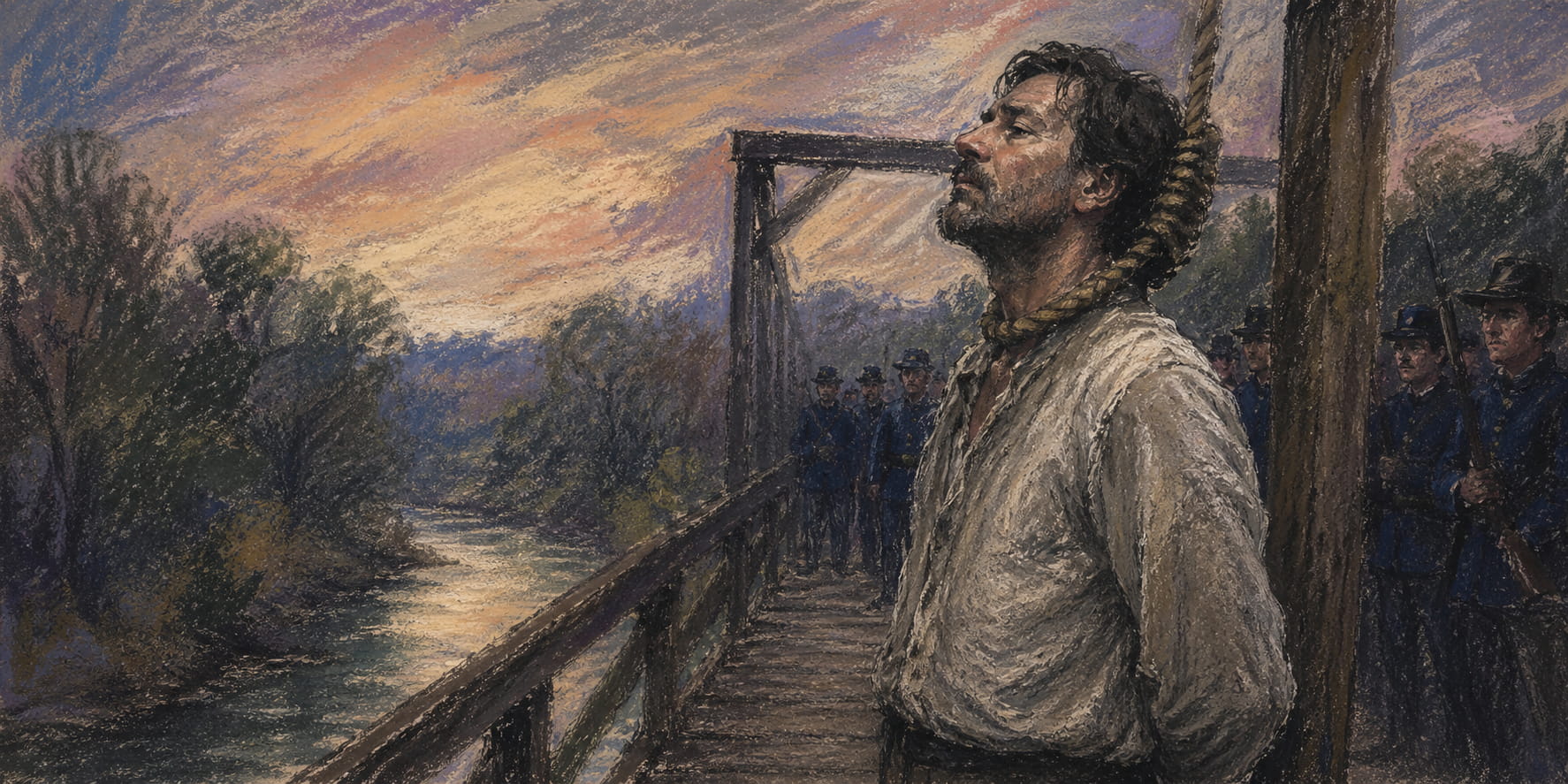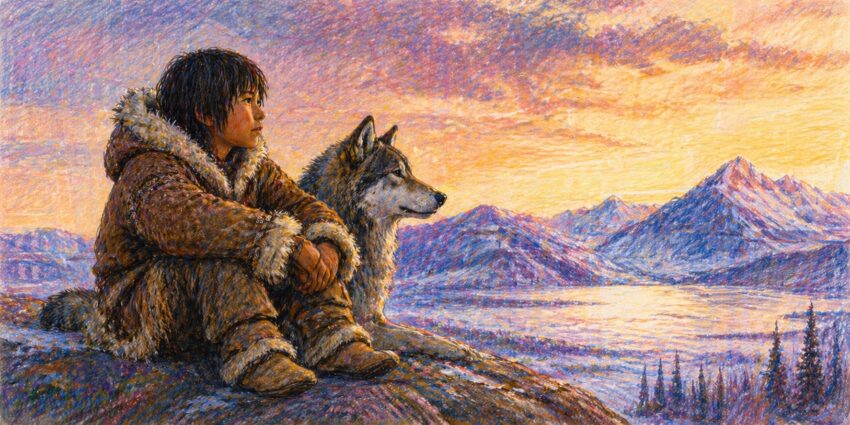
The Story of Keesh của Jack London là một truyện ngắn giàu ý nghĩa về trí tuệ, lòng dũng cảm và sự công bằng. Câu chuyện kể về cậu bé Keesh dùng sự thông minh để vượt qua nghịch cảnh, trở thành người lãnh đạo trong cộng đồng. Đây là lựa chọn lý tưởng cho người học tiếng Anh muốn nâng cao vốn từ vựng, hiểu sâu về tư duy lãnh đạo và rèn luyện khả năng đọc hiểu qua một tác phẩm văn học kinh điển dễ tiếp cận.
The Story of Keesh / Câu Chuyện Về Keesh by Jack London
Part 1: The Boy Who Spoke in Council
Phần 1: Cậu Bé Dám Nói Trong Hội Đồng
KEESH lived long ago on the rim of the polar sea, was head man of his village through many and prosperous years, and died full of honors with his name on the lips of men.
KEESH sống từ rất lâu về trước trên vành đai của biển cực, là trưởng làng trong nhiều năm thịnh vượng, và chết trong danh dự với tên tuổi trên môi miệng mọi người.
So long ago did he live that only the old men remember his name, his name and the tale, which they got from the old men before them, and which the old men to come will tell to their children and their children’s children down to the end of time.
Ông sống từ lâu đến mức chỉ những người già mới còn nhớ tên ông, tên ông và câu chuyện mà họ nhận được từ những người già trước họ, và những người già sẽ đến sẽ kể cho con cái họ và con cái của con cái họ cho đến tận cuối thời gian.
And the winter darkness, when the north gales make their long sweep across the ice-pack, and the air is filled with flying white, and no man may venture forth, is the chosen time for the telling of how Keesh, from the poorest IGLOO in the village, rose to power and place over them all.
Và bóng tối mùa đông, khi những cơn gió bắc thổi dài trên băng tảng, và không khí tràn đầy những hạt tuyết bay, và không người nào dám ra ngoài, là thời điểm được chọn để kể chuyện về Keesh, từ IGLOO nghèo nhất trong làng, vươn lên quyền lực và địa vị trên tất cả mọi người.
He was a bright boy, so the tale runs, healthy and strong, and he had seen thirteen suns, in their way of reckoning time.
Cậu là một cậu bé thông minh, theo như câu chuyện kể, khỏe mạnh và cường tráng, và cậu đã thấy mười ba mặt trời, theo cách tính thời gian của họ.
For each winter the sun leaves the land in darkness, and the next year a new sun returns so that they may be warm again and look upon one another’s faces.
Vì mỗi mùa đông mặt trời rời bỏ vùng đất trong bóng tối, và năm sau một mặt trời mới trở lại để họ có thể ấm áp trở lại và nhìn thấy khuôn mặt nhau.
The father of Keesh had been a very brave man, but he had met his death in a time of famine, when he sought to save the lives of his people by taking the life of a great polar bear.
Cha của Keesh đã là một người rất dũng cảm, nhưng ông đã gặp cái chết trong thời kỳ đói kém, khi ông tìm cách cứu mạng sống của dân làng bằng cách lấy đi mạng sống của một con gấu Bắc Cực lớn.
In his eagerness he came to close grapples with the bear, and his bones were crushed; but the bear had much meat on him and the people were saved.
Trong sự hăng hái ông đã vật lộn sát thân với con gấu, và xương ông bị nghiền nát; nhưng con gấu có nhiều thịt và dân làng được cứu.
Keesh was his only son, and after that Keesh lived alone with his mother. But the people are prone to forget, and they forgot the deed of his father; and he being but a boy, and his mother only a woman, they, too, were swiftly forgotten, and ere long came to live in the meanest of all the IGLOOS.
Keesh là con trai duy nhất của ông, và sau đó Keesh sống một mình với mẹ. Nhưng người ta có xu hướng quên lãng, và họ quên đi công lao của cha cậu; cậu chỉ là một đứa bé, và mẹ cậu chỉ là một người phụ nữ, họ cũng bị nhanh chóng lãng quên, và chẳng bao lâu đến sống trong chiếc IGLOO tồi tàn nhất trong tất cả.
It was at a council, one night, in the big IGLOO of Klosh-Kwan, the chief, that Keesh showed the blood that ran in his veins and the manhood that stiffened his back.
Chính tại một buổi họp hội đồng, một đêm nọ, trong IGLOO lớn của Klosh-Kwan, vị tù trưởng, mà Keesh cho thấy dòng máu chảy trong huyết quản và khí phách đàn ông làm cứng thẳng lưng cậu.
With the dignity of an elder, he rose to his feet, and waited for silence amid the babble of voices.
Với phẩm giá của một bậc trưởng lão, cậu đứng dậy và chờ đợi sự im lặng giữa tiếng ồn ào của những giọng nói.
“It is true that meat be apportioned me and mine,” he said. “But it is ofttimes old and tough, this meat, and, moreover, it has an unusual quantity of bones.”
“Đúng là thịt được phân chia cho tôi và người của tôi,” cậu nói. “Nhưng thịt này thường già và dai, hơn nữa, nó có một lượng xương bất thường.”
The hunters, grizzled and gray, and lusty and young, were aghast. The like had never been known before. A child, that talked like a grown man, and said harsh things to their very faces!
Những thợ săn, bạc đầu và xám xịt, và hùng mạnh và trẻ trung, đều sửng sốt. Điều như vậy chưa bao giờ xảy ra trước đây. Một đứa trẻ, nói chuyện như người lớn, và nói những điều thẳng thắn ngay trước mặt họ!
But steadily and with seriousness, Keesh went on. “For that I know my father, Bok, was a great hunter, I speak these words. It is said that Bok brought home more meat than any of the two best hunters, that with his own hands he attended to the division of it, that with his own eyes he saw to it that the least old woman and the last old man received fair share.”
Nhưng bình tĩnh và nghiêm túc, Keesh tiếp tục. “Vì tôi biết cha tôi, Bok, là một thợ săn vĩ đại, tôi nói những lời này. Người ta nói rằng Bok mang về nhà nhiều thịt hơn bất kỳ hai thợ săn giỏi nhất nào, rằng chính tay ông lo việc phân chia nó, rằng chính mắt ông đảm bảo rằng bà già yếu nhất và ông lão cuối cùng đều nhận được phần công bằng.”
“Na! Na!” the men cried. “Put the child out!” “Send him off to bed!” “He is no man that he should talk to men and graybeards!”
“Na! Na!” những người đàn ông kêu lên. “Đuổi đứa trẻ ra!” “Bắt nó đi ngủ đi!” “Nó không phải đàn ông mà đòi nói chuyện với đàn ông và những kẻ bạc đầu!”
He waited calmly till the uproar died down.
Cậu bình tĩnh chờ đến khi tiếng ồn ào dịu xuống.
“Thou hast a wife, Ugh-Gluk,” he said, “and for her dost thou speak. And thou, too, Massuk, a mother also, and for them dost thou speak. My mother has no one, save me; wherefore I speak.”
“Ngươi có vợ, Ugh-Gluk,” cậu nói, “và ngươi nói vì bà ấy. Và ngươi nữa, Massuk, cũng có mẹ, và ngươi nói vì bà ấy. Mẹ ta không có ai, ngoại trừ ta; vì vậy ta nói.”
“As I say, though Bok be dead because he hunted over-keenly, it is just that I, who am his son, and that Ikeega, who is my mother and was his wife, should have meat in plenty so long as there be meat in plenty in the tribe. I, Keesh, the son of Bok, have spoken.”
“Như ta nói, dù Bok đã chết vì săn bắn quá hăng say, thật công bằng rằng ta, là con trai ông, và Ikeega, là mẹ ta và từng là vợ ông, nên có đủ thịt bao lâu còn có đủ thịt trong bộ tộc. Ta, Keesh, con trai của Bok, đã nói.”
The anger boiled a white heat. They ordered him to bed, threatened that he should have no meat at all, and promised him sore beatings for his presumption. Keesh’s eyes began to flash, and the blood to pound darkly under his skin. In the midst of the abuse he sprang to his feet.
Cơn giận sôi sục đến cực điểm. Họ ra lệnh cho cậu đi ngủ, đe dọa rằng cậu sẽ không có thịt chút nào, và hứa hẹn sẽ đánh đòn đau vì sự trơ tráo của cậu. Mắt Keesh bắt đầu lóe sáng, và máu đập thình thịch tối tăm dưới làn da. Giữa những lời lăng mạ cậu bật đứng dậy.
“Hear me, ye men!” he cried. “Never shall I speak in the council again, never again till the men come to me and say, ‘It is well, Keesh, that thou shouldst speak, it is well and it is our wish.’ Take this now, ye men, for my last word. Bok, my father, was a great hunter. I, too, his son, shall go and hunt the meat that I eat. And be it known, now, that the division of that which I kill shall be fair. And no widow nor weak one shall cry in the night because there is no meat, when the strong men are groaning in great pain for that they have eaten overmuch. I, Keesh, have said it!”
“Hãy nghe ta, hỡi những người đàn ông!” cậu kêu lên. “Ta sẽ không bao giờ nói trong hội đồng nữa, không bao giờ nữa cho đến khi những người đàn ông đến gặp ta và nói, ‘Tốt lắm, Keesh, ngươi nên nói, điều đó tốt và đó là ý nguyện của chúng ta.’ Hãy nhận lấy điều này, hỡi những người đàn ông, là lời cuối của ta. Bok, cha ta, là một thợ săn vĩ đại. Ta, cũng là con trai ông, sẽ ra đi và săn thịt mà ta ăn. Và hãy biết rằng, bây giờ, việc phân chia những gì ta giết sẽ công bằng. Và không góa phụ hay người yếu nào sẽ khóc trong đêm vì không có thịt, khi những người đàn ông mạnh mẽ đang rên rỉ đau đớn vì đã ăn quá nhiều. Ta, Keesh, đã nói điều này!”
Jeers and scornful laughter followed him out of the IGLOO, but his jaw was set and he went his way, looking neither to right nor left.
Những tiếng chế giễu và tiếng cười khinh thường theo cậu ra khỏi IGLOO, nhưng hàm cậu nghiến chặt và cậu đi theo con đường của mình, không nhìn sang trái hay sang phải.
End of Episode 1 — Stay tuned for the next episode! / Kết thúc Episode 1 — Hãy đón đọc episode tiếp theo!
Part 2: The First Hunt
Phần 2: Cuộc Săn Đầu Tiên
The next day he went forth along the shore-line where the ice and the land met together.
Ngày hôm sau cậu ra đi dọc theo bờ biển nơi băng và đất gặp nhau.
Those who saw him go noted that he carried his bow, with a goodly supply of bone-barbed arrows, and that across his shoulder was his father’s big hunting-spear.
Những người thấy cậu ra đi nhận thấy rằng cậu mang theo cây cung, với nguồn cung cấp dồi dào những mũi tên đầu xương, và vắt qua vai là cây giáo săn lớn của cha cậu.
And there was laughter, and much talk, at the event. It was an unprecedented occurrence. Never did boys of his tender age go forth to hunt, much less to hunt alone.
Và có tiếng cười, và nhiều chuyện bàn tán, về sự kiện này. Đó là điều chưa từng có tiền lệ. Chưa bao giờ những cậu bé ở độ tuổi non nớt như vậy đi săn, huống chi là săn một mình.
“He will be back ere long,” they said cheeringly.
“Cậu bé sẽ trở về chẳng bao lâu nữa,” họ nói một cách an ủi.
“Let him go; it will teach him a lesson,” the hunters said. “And he will come back shortly, and he will be meek and soft of speech in the days to follow.”
“Cứ để nó đi; điều đó sẽ dạy cho nó một bài học,” những thợ săn nói. “Và nó sẽ sớm trở về, và nó sẽ khiêm nhường và nói chuyện nhẹ nhàng trong những ngày tiếp theo.”
But a day passed, and a second, and on the third a wild gale blew, and there was no Keesh.
Nhưng một ngày trôi qua, rồi ngày thứ hai, và đến ngày thứ ba một cơn gió dữ dội thổi, và không thấy Keesh đâu.
Ikeega tore her hair and put soot of the seal-oil on her face in token of her grief; and the women assailed the men with bitter words in that they had mistreated the boy and sent him to his death; and the men made no answer, preparing to go in search of the body when the storm abated.
Ikeega xé tóc và bôi bồ hóng từ dầu hải cẩu lên mặt như dấu hiệu của nỗi đau; và những người phụ nữ tấn công những người đàn ông bằng những lời cay đắng rằng họ đã ngược đãi cậu bé và đẩy cậu đến cái chết; và những người đàn ông không trả lời, chuẩn bị đi tìm kiếm thi thể khi cơn bão lắng xuống.
Early next morning, however, Keesh strode into the village. But he came not shamefacedly. Across his shoulders he bore a burden of fresh-killed meat. And there was importance in his step and arrogance in his speech.
Sáng sớm hôm sau, tuy nhiên, Keesh bước vào làng với những bước đi dứt khoát. Nhưng cậu không đến với vẻ xấu hổ. Vắt qua vai cậu là gánh thịt vừa săn được tươi nguyên. Và có sự quan trọng trong bước chân và sự kiêu ngạo trong lời nói của cậu.
“Go, ye men, with the dogs and sledges, and take my trail for the better part of a day’s travel,” he said. “There is much meat on the ice — a she-bear and two half-grown cubs.”
“Hãy đi, hỡi những người đàn ông, với những con chó và xe trượt, và đi theo dấu vết của ta trong phần lớn một ngày đường,” cậu nói. “Có nhiều thịt trên băng — một con gấu cái và hai con non gần trưởng thành.”
Ikeega was overcome with joy, but he received her demonstrations in manlike fashion, saying: “Come, Ikeega, let us eat. And after that I shall sleep, for I am weary.”
Ikeega tràn ngập niềm vui, nhưng cậu đón nhận sự bày tỏ của bà theo cách của đàn ông, nói rằng: “Đến đây, Ikeega, chúng ta hãy ăn. Và sau đó ta sẽ ngủ, vì ta mệt rồi.”
And he passed into their IGLOO and ate profoundly, and after that slept for twenty running hours.
Và cậu bước vào IGLOO của họ và ăn một cách thỏa thuê, và sau đó ngủ liên tục hai mươi tiếng đồng hồ.
There was much doubt at first, much doubt and discussion. The killing of a polar bear is very dangerous, but thrice dangerous is it, and three times thrice, to kill a mother bear with her cubs.
Lúc đầu có nhiều nghi ngờ, nhiều nghi ngờ và thảo luận. Việc giết gấu Bắc Cực rất nguy hiểm, nhưng nguy hiểm gấp ba, và ba lần gấp ba, là giết một con gấu mẹ cùng với đàn con.
The men could not bring themselves to believe that the boy Keesh, single-handed, had accomplished so great a marvel. But the women spoke of the fresh-killed meat he had brought on his back, and this was an overwhelming argument against their unbelief.
Những người đàn ông không thể tin được rằng cậu bé Keesh, một mình, đã hoàn thành điều kỳ diệu vĩ đại như vậy. Nhưng những người phụ nữ nói đến thịt tươi vừa săn được mà cậu mang trên lưng, và đây là lập luận áp đảo chống lại sự không tin của họ.
But arrived at the spot, they found not only the kill, which they had doubted, but that Keesh had quartered the beasts in true hunter fashion, and removed the entrails.
Nhưng khi đến nơi, họ tìm thấy không chỉ con thú bị giết, điều mà họ đã nghi ngờ, mà còn thấy Keesh đã xẻ thịt những con thú theo cách của thợ săn thực sự, và đã bỏ ruột gan ra.
End of Episode 2 — Stay tuned for the next episode! / Kết thúc Episode 2 — Hãy đón đọc episode tiếp theo!
Part 3: The Mystery Deepens
Phần 3: Bí Ẩn Ngày Càng Sâu Hơn
Thus began the mystery of Keesh, a mystery that deepened and deepened with the passing of the days.
Vậy là bí ẩn của Keesh bắt đầu, một bí ẩn ngày càng sâu sắc hơn theo thời gian trôi qua.
His very next trip he killed a young bear, nearly full-grown, and on the trip following, a large male bear and his mate.
Chuyến đi ngay tiếp theo cậu giết một con gấu trẻ, gần như đã trưởng thành, và trong chuyến đi tiếp theo nữa, một con gấu đực lớn và bạn đời của nó.
He was ordinarily gone from three to four days, though it was nothing unusual for him to stay away a week at a time on the ice-field. Always he declined company on these expeditions, and the people marvelled.
Cậu thường vắng mặt từ ba đến bốn ngày, mặc dù không có gì bất thường khi cậu ở lại một tuần một lần trên cánh đồng băng. Cậu luôn từ chối bạn đồng hành trong những chuyến đi này, và mọi người kinh ngạc.
“How does he do it?” they demanded of one another. “Never does he take a dog with him, and dogs are of such great help, too.”
“Làm thế nào cậu ấy làm được?” họ hỏi nhau. “Cậu ấy không bao giờ mang theo chó, mà chó cũng giúp ích rất nhiều.”
“Why dost thou hunt only bear?” Klosh-Kwan once ventured to ask him.
“Tại sao ngươi chỉ săn gấu?” Klosh-Kwan một lần dám hỏi cậu.
And Keesh made fitting answer. “It is well known that there is more meat on the bear,” he said.
Và Keesh trả lời thích đáng. “Ai cũng biết rằng gấu có nhiều thịt hơn,” cậu nói.
But there was also talk of witchcraft in the village. “He hunts with evil spirits,” some of the people contended, “wherefore his hunting is rewarded. How else can it be, save that he hunts with evil spirits?”
Nhưng cũng có những lời bàn về phù thủy trong làng. “Hắn săn bắn cùng với tà ma,” một số người tranh luận, “vì vậy việc săn bắn của hắn được ban thưởng. Làm thế nào khác được, nếu không phải hắn săn bắn cùng với tà ma?”
“Mayhap they be not evil, but good, these spirits,” others said. “It is known that his father was a mighty hunter. May not his father hunt with him so that he may attain excellence and patience and understanding? Who knows?”
“Có lẽ chúng không phải ác, mà là tốt, những linh hồn này,” những người khác nói. “Ai cũng biết cha cậu là thợ săn hùng mạnh. Chẳng phải cha cậu săn bắn cùng cậu để cậu đạt được sự xuất sắc, kiên nhẫn và thấu hiểu? Ai biết được?”
None the less, his success continued, and the less skilful hunters were often kept busy hauling in his meat. And in the division of it he was just. As his father had done before him, he saw to it that the least old woman and the last old man received a fair portion, keeping no more for himself than his needs required.
Dù vậy, thành công của cậu tiếp tục, và những thợ săn kém tài hơn thường phải bận rộn kéo thịt của cậu về. Và trong việc phân chia, cậu công bằng. Như cha cậu đã làm trước đó, cậu đảm bảo rằng bà già yếu nhất và ông lão cuối cùng nhận được phần công bằng, không giữ cho mình nhiều hơn nhu cầu đòi hỏi.
And because of this, and of his merit as a hunter, he was looked upon with respect, and even awe; and there was talk of making him chief after old Klosh-Kwan.
Và vì điều này, và vì tài năng của cậu với tư cách là thợ săn, cậu được nhìn nhận với sự tôn trọng, và thậm chí kính sợ; và có những lời bàn về việc làm cậu trở thành tù trưởng sau Klosh-Kwan già.
“I am minded to build me an IGLOO,” he said one day to Klosh-Kwan and a number of the hunters. “It shall be a large IGLOO, wherein Ikeega and I can dwell in comfort.”
“Ta có ý định xây cho mình một IGLOO,” cậu nói một ngày với Klosh-Kwan và một số thợ săn. “Đó sẽ là một IGLOO lớn, nơi Ikeega và ta có thể sống thoải mái.”
“But I have no time. My business is hunting, and it takes all my time. So it is but just that the men and women of the village who eat my meat should build me my IGLOO.”
“Nhưng ta không có thời gian. Công việc của ta là săn bắn, và nó chiếm hết thời gian của ta. Vì vậy thật công bằng khi những người đàn ông và phụ nữ trong làng ăn thịt của ta nên xây cho ta IGLOO của ta.”
And the IGLOO was built accordingly, on a generous scale which exceeded even the dwelling of Klosh-Kwan. Keesh and his mother moved into it, and it was the first prosperity she had enjoyed since the death of Bok.
Và IGLOO được xây dựng theo đó, với quy mô rộng rãi vượt qua cả chỗ ở của Klosh-Kwan. Keesh và mẹ cậu chuyển vào đó, và đó là sự thịnh vượng đầu tiên bà được hưởng kể từ khi Bok qua đời.
But it was the mystery of Keesh’s marvellous hunting that took chief place in all their minds. And one day Ugh-Gluk taxed him with witchcraft to his face.
Nhưng chính bí ẩn về việc săn bắn kỳ diệu của Keesh chiếm vị trí hàng đầu trong tâm trí tất cả mọi người. Và một ngày Ugh-Gluk buộc tội cậu phù thủy ngay trước mặt cậu.
“It is charged,” Ugh-Gluk said ominously, “that thou dealest with evil spirits, wherefore thy hunting is rewarded.”
“Có cáo buộc,” Ugh-Gluk nói một cách đe dọa, “rằng ngươi giao tiếp với tà ma, vì vậy việc săn bắn của ngươi được ban thưởng.”
“Is not the meat good?” Keesh made answer. “Has one in the village yet to fall sick from the eating of it? How dost thou know that witchcraft be concerned? Or dost thou guess, in the dark, merely because of the envy that consumes thee?”
“Thịt có không ngon sao?” Keesh trả lời. “Có ai trong làng bị ốm vì ăn thịt đó chưa? Làm thế nào ngươi biết rằng phù thủy có liên quan? Hay ngươi chỉ đoán mò, trong bóng tối, chỉ vì lòng đố kỵ đang nuốt chửng ngươi?”
And Ugh-Gluk withdrew discomfited, the women laughing at him as he walked away. But in the council one night, after long deliberation, it was determined to put spies on his track when he went forth to hunt, so that his methods might be learned.
Và Ugh-Gluk rút lui trong bẽ bàng, những người phụ nữ cười nhạo ông ta khi ông ta bước đi. Nhưng trong hội đồng một đêm nọ, sau khi bàn luận lâu dài, họ quyết định cử gián điệp theo dõi cậu khi cậu đi săn, để phương pháp của cậu có thể được tìm hiểu.
So, on his next trip, Bim and Bawn, two young men, and of hunters the craftiest, followed after him, taking care not to be seen. After five days they returned, their eyes bulging and their tongues a-tremble to tell what they had seen.
Vì vậy, trong chuyến đi tiếp theo của cậu, Bim và Bawn, hai người đàn ông trẻ và là những thợ săn ranh ma nhất, đi theo phía sau cậu, cẩn thận không để bị nhìn thấy. Sau năm ngày họ trở về, mắt trợn trừng và lưỡi run rẩy để kể những gì họ đã thấy.
End of Episode 3 — Stay tuned for the next episode! / Kết thúc Episode 3 — Hãy đón đọc episode tiếp theo!
Final Part: The Secret Revealed
Part Cuối: Bí Mật Được Tiết Lộ
The council was hastily called in Klosh-Kwan’s dwelling, and Bim took up the tale.
Hội đồng được triệu tập vội vã tại chỗ ở của Klosh-Kwan, và Bim bắt đầu kể chuyện.
“Brothers! As commanded, we journeyed on the trail of Keesh, and cunningly we journeyed, so that he might not know. And midway of the first day he picked up with a great he-bear. It was a very great bear.”
“Anh em! Theo lệnh, chúng tôi đi theo dấu vết của Keesh, và chúng tôi đi một cách khéo léo để cậu ấy không biết. Và giữa ngày đầu tiên cậu ấy chạm trán một con gấu đực lớn. Đó là một con gấu rất lớn.”
“Yet was the bear not inclined to fight, for he turned away and made off slowly over the ice. This we saw from the rocks of the shore, and the bear came toward us, and after him came Keesh, very much unafraid. And he shouted harsh words after the bear, and waved his arms about, and made much noise. Then did the bear grow angry, and rise up on his hind legs, and growl. But Keesh walked right up to the bear.”
“Nhưng con gấu không có ý muốn chiến đấu, vì nó quay đi và bước chậm trên băng. Chúng tôi thấy điều này từ những tảng đá bờ biển, và con gấu đi về phía chúng tôi, và theo sau nó là Keesh, hoàn toàn không sợ hãi. Và cậu hét những lời thô lỗ theo con gấu, và vẫy tay xung quanh, và tạo ra nhiều tiếng ồn. Rồi con gấu trở nên tức giận, đứng thẳng trên hai chân sau và gầm gừ. Nhưng Keesh bước thẳng đến con gấu.”
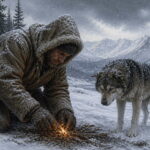
“Right up to the bear Keesh walked. And the bear took after him, and Keesh ran away. But as he ran he dropped a little round ball on the ice. And the bear stopped and smelled of it, then swallowed it up. And Keesh continued to run away and drop little round balls, and the bear continued to swallow them up.”
“Keesh bước thẳng đến con gấu. Và con gấu đuổi theo cậu, và Keesh bỏ chạy. Nhưng trong khi chạy cậu thả một viên tròn nhỏ xuống băng. Và con gấu dừng lại và ngửi nó, rồi nuốt vào. Và Keesh tiếp tục bỏ chạy và thả những viên tròn nhỏ, và con gấu tiếp tục nuốt chúng.”
“And this continued until the bear stood suddenly upright and cried aloud in pain, and thrashed his fore paws madly about. And Keesh continued to make off over the ice to a safe distance.”
“Và điều này tiếp tục cho đến khi con gấu đột nhiên đứng thẳng và kêu lớn tiếng vì đau, và vung hai chân trước điên cuồng. Và Keesh tiếp tục rút lui trên băng đến khoảng cách an toàn.”
“For he did claw at himself, and leap about over the ice like a playful puppy, save from the way he growled and squealed it was plain it was not play but pain. Never did I see such a sight!”
“Vì nó cào vào mình, và nhảy khắp băng như một con chó con đang chơi đùa, ngoại trừ cách nó gầm gừ và kêu la thì rõ ràng đó không phải trò chơi mà là đau đớn. Ta chưa bao giờ thấy cảnh tượng như vậy!”
“And after a while the bear grew weak and tired, for he was very heavy and he had jumped about with exceeding violence, and he went off along the shore-ice, shaking his head slowly from side to side and sitting down ever and again to squeal and cry. And Keesh followed after the bear, and we followed after Keesh, and for that day and three days more we followed. The bear grew weak, and never ceased crying from his pain.”
“Và sau một lúc con gấu trở nên yếu và mệt, vì nó rất nặng và đã nhảy nhót với sức mạnh cực độ, và nó đi dọc theo băng bờ biển, lắc đầu chậm rãi từ bên này sang bên kia và ngồi xuống từng lúc để kêu khóc. Và Keesh đi theo con gấu, và chúng tôi đi theo Keesh, và trong ngày đó và thêm ba ngày nữa chúng tôi đi theo. Con gấu ngày càng yếu, và không bao giờ ngừng khóc vì đau.”
“The bear wandered, now this way and now that, doubling back and forth and crossing his trail in circles, so that at the end he was near where Keesh had first come upon him. By this time he was quite sick, the bear, and could crawl no farther, so Keesh came up close and speared him to death.”
“Con gấu lang thang, lúc hướng này lúc hướng kia, đi tới đi lui và cắt ngang dấu vết của chính nó thành những vòng tròn, đến mức cuối cùng nó ở gần nơi Keesh đã đầu tiên gặp nó. Lúc này nó đã khá ốm, con gấu, và không thể bò xa hơn, vì vậy Keesh tiến đến gần và đâm chết nó bằng giáo.”
And curiosity was so strong on the men that the whole council, Klosh-Kwan to the fore, rose up and went to the IGLOO of Keesh. He was eating, but he received them with respect and seated them according to their rank. Ikeega was proud and embarrassed by turns, but Keesh was quite composed.
Và sự tò mò mạnh mẽ đến mức toàn bộ hội đồng, Klosh-Kwan đi đầu, đứng dậy và đến IGLOO của Keesh. Cậu đang ăn, nhưng cậu tiếp đón họ với sự tôn trọng và sắp xếp chỗ ngồi theo thứ bậc. Ikeega lúc tự hào lúc bẽn lẽn, nhưng Keesh thì hoàn toàn bình tĩnh.
Klosh-Kwan recited the information brought by Bim and Bawn, and at its close said in a stern voice: “So explanation is wanted, O Keesh, of thy manner of hunting. Is there witchcraft in it?”
Klosh-Kwan kể lại thông tin mà Bim và Bawn mang về, và khi kết thúc nói với giọng nghiêm khắc: “Vậy là cần được giải thích, hỡi Keesh, về cách thức săn bắn của ngươi. Có phù thủy trong đó không?”
Keesh looked up and smiled. “Nay, O Klosh-Kwan. It is not for a boy to know aught of witches, and of witches I know nothing. I have but devised a means whereby I may kill the ice-bear with ease, that is all. It be headcraft, not witchcraft.”
Keesh ngẩng đầu và mỉm cười. “Không phải, hỡi Klosh-Kwan. Không phải việc của một cậu bé để biết gì về phù thủy, và về phù thủy ta không biết gì. Ta chỉ nghĩ ra một phương cách để ta có thể dễ dàng giết gấu băng, chỉ vậy thôi. Đó là tài trí, không phải phù thủy.”
“Yea, I will tell thee.” Keesh finished sucking a marrow-bone and rose to his feet. “It is quite simple. Behold!”
“Vâng, ta sẽ nói cho ngươi biết.” Keesh hút xong một xương tủy và đứng dậy. “Thật đơn giản. Hãy xem đây!”
He picked up a thin strip of whalebone and showed it to them. The ends were sharp as needle-points. The strip he coiled carefully, till it disappeared in his hand. Then, suddenly releasing it, it sprang straight again. He picked up a piece of blubber.
Cậu nhặt lên một dải xương cá voi mỏng và cho họ xem. Hai đầu sắc như mũi kim. Cậu cuộn dải đó cẩn thận cho đến khi nó biến mất trong tay. Rồi đột nhiên thả ra, nó bật thẳng trở lại. Cậu nhặt lên một miếng mỡ hải cẩu.
“So,” he said, “one takes a small chunk of blubber, thus, and thus makes it hollow. Then into the hollow goes the whalebone, so, tightly coiled, and another piece of blubber is fitted over the whale-bone. After that it is put outside where it freezes into a little round ball. The bear swallows the little round ball, the blubber melts, the whalebone with its sharp ends stands out straight, the bear gets sick, and when the bear is very sick, why, you kill him with a spear. It is quite simple.”
“Vậy là,” cậu nói, “người ta lấy một miếng mỡ nhỏ, như thế này, và làm cho nó rỗng như thế này. Rồi vào trong cái hốc rỗng đặt xương cá voi, như vậy, cuộn chặt, và một miếng mỡ khác được đặt lên trên xương cá voi. Sau đó đặt ra ngoài nơi nó đông cứng thành một viên tròn nhỏ. Con gấu nuốt viên tròn nhỏ đó, mỡ tan ra, xương cá voi với hai đầu sắc bật thẳng ra, con gấu bị ốm, và khi con gấu rất ốm, thì đâm chết nó bằng giáo. Thật đơn giản.”
And Ugh-Gluk said “Oh!” and Klosh-Kwan said “Ah!” And each said something after his own manner, and all understood.
Và Ugh-Gluk nói “Ồ!” và Klosh-Kwan nói “À!” Và mỗi người nói điều gì đó theo cách riêng của mình, và tất cả đều hiểu.
And this is the story of Keesh, who lived long ago on the rim of the polar sea. Because he exercised headcraft and not witchcraft, he rose from the meanest IGLOO to be head man of his village, and through all the years that he lived, it is related, his tribe was prosperous, and neither widow nor weak one cried aloud in the night because there was no meat.
Và đây là câu chuyện về Keesh, người sống từ lâu trên vành đai của biển cực. Vì cậu sử dụng tài trí chứ không phải phù thủy, cậu vươn lên từ chiếc IGLOO nghèo nhất để trở thành trưởng làng, và trong suốt những năm cậu sống, người ta kể lại rằng bộ tộc của cậu thịnh vượng, và không góa phụ hay người yếu nào phải khóc to trong đêm vì không có thịt.
The End / Kết Thúc
Special Topic: London’s Hymn to Intelligence
Bình Luận: Bài Ca Tụng Trí Tuệ của London
“The Story of Keesh” (1907) is one of Jack London’s most enduring and beloved tales — a story that operates simultaneously as a coming-of-age narrative, a social justice fable, and a hymn to the supremacy of intelligence over brute force.
“Câu Chuyện Về Keesh” (1907) là một trong những câu chuyện bền vững và được yêu thích nhất của Jack London — một câu chuyện vừa là truyện trưởng thành, vừa là ngụ ngôn về công bằng xã hội, vừa là bài ca tụng sự vượt trội của trí tuệ so với sức mạnh thô.
London sets the story in the stark world of the Arctic, a world governed by the most elemental laws of survival: those who can provide meat have power; those who cannot are forgotten.
London đặt câu chuyện trong thế giới khắc nghiệt của Bắc Cực, một thế giới được điều hành bởi những quy luật sinh tồn căn bản nhất: những ai có thể cung cấp thịt thì có quyền lực; những ai không thể thì bị lãng quên.
Into this world, London introduces a thirteen-year-old boy who has every reason to be passive and accept his diminished status — and instead chooses to stand up, speak truth to power, and then back his words with action.
Vào thế giới này, London giới thiệu một cậu bé mười ba tuổi có mọi lý do để thụ động và chấp nhận địa vị thấp kém của mình — và thay vào đó chọn cách đứng lên, nói thật với quyền lực, và sau đó chứng minh lời nói bằng hành động.
The story’s central theme is announced in its famous closing line: “headcraft, not witchcraft.” This distinction is the moral core of everything that happens.
Chủ đề trung tâm của câu chuyện được công bố trong câu kết thúc nổi tiếng: “tài trí, không phải phù thủy.” Sự phân biệt này là cốt lõi đạo đức của mọi thứ xảy ra.
The village cannot understand how Keesh kills bears with such efficiency and safety, and so they reach for the only explanation their worldview allows: the supernatural.
Dân làng không thể hiểu làm thế nào Keesh giết gấu với hiệu quả và an toàn như vậy, vì vậy họ tìm đến giải thích duy nhất mà thế giới quan của họ cho phép: siêu nhiên.
But Keesh’s secret is entirely rational — a coiled strip of whalebone embedded in blubber, which freezes solid and then springs open inside the bear’s stomach.
Nhưng bí mật của Keesh hoàn toàn hợp lý — một dải xương cá voi cuộn trong mỡ hải cẩu, đông cứng lại rồi bật ra bên trong dạ dày gấu.
It is a solution that required observation, experimentation, and patience — qualities of mind rather than qualities of body — and it is this that London celebrates.
Đó là giải pháp đòi hỏi quan sát, thử nghiệm và kiên nhẫn — những phẩm chất của tâm trí hơn là phẩm chất của thể xác — và đây chính là điều London ca ngợi.
What makes Keesh genuinely heroic in London’s telling is not simply that he is clever. It is that he uses his cleverness in the service of justice.
Điều làm cho Keesh thực sự anh hùng trong cách kể của London không chỉ là cậu thông minh. Mà là cậu sử dụng sự thông minh của mình để phục vụ công lý.
From the beginning, his grievance is not personal advancement but the welfare of the forgotten — the widows, the weak, the old — those who depend on the good faith of the hunters and are routinely exploited instead.
Ngay từ đầu, mối bất bình của cậu không phải là sự thăng tiến cá nhân mà là phúc lợi của những người bị lãng quên — những góa phụ, người yếu, người già — những người phụ thuộc vào thiện chí của những thợ săn và thay vào đó thường xuyên bị bóc lột.
The council scene — in which Keesh, aged thirteen, faces down an entire assembly of adult men — is one of London’s most powerful depictions of moral courage.
Cảnh hội đồng — trong đó Keesh, mười ba tuổi, đối mặt với toàn bộ hội đồng những người đàn ông trưởng thành — là một trong những mô tả mạnh mẽ nhất của London về lòng dũng cảm đạo đức.
He does not beg, does not flatter, does not appeal to sentiment. He makes a logical argument based on precedent — his father’s service — and when that argument is rejected, he does not collapse. He simply announces what he will do and then does it.
Cậu không van xin, không nịnh hót, không kêu gọi tình cảm. Cậu đưa ra một lập luận logic dựa trên tiền lệ — sự phục vụ của cha cậu — và khi lập luận đó bị bác bỏ, cậu không sụp đổ. Cậu chỉ đơn giản thông báo những gì cậu sẽ làm và sau đó làm điều đó.
For Vietnamese readers, Keesh’s story resonates with deep cultural familiarity. The figure of the young person who rises from poverty through intelligence, who refuses to accept unjust hierarchy while remaining respectful in manner, and who uses success to lift others rather than simply himself — this is a figure deeply embedded in Vietnamese moral tradition.
Đối với độc giả Việt Nam, câu chuyện của Keesh vang vọng với sự quen thuộc văn hóa sâu sắc. Hình tượng người trẻ vươn lên từ nghèo khó qua trí tuệ, người từ chối chấp nhận phân cấp bất công trong khi vẫn giữ thái độ tôn trọng, và người sử dụng thành công để nâng đỡ người khác chứ không chỉ bản thân — đây là hình tượng được nhúng sâu vào truyền thống đạo đức Việt Nam.
The story also speaks to something universal in the human experience: the longing to be seen, to have one’s worth recognized not by birth or status but by what one actually does — and the quiet, patient power of those who simply refuse to be forgotten.
Câu chuyện cũng nói đến điều gì đó phổ quát trong trải nghiệm của con người: khao khát được nhìn nhận, được công nhận giá trị không phải bởi xuất thân hay địa vị mà bởi những gì người ta thực sự làm — và sức mạnh lặng lẽ, kiên nhẫn của những người đơn giản là từ chối bị lãng quên.
The End / Kết Thúc
KEESH lived long ago on the rim of the polar sea, was head man of his village through many and prosperous years, and died full of honors with his name on the lips of men. So long ago did he live that only the old men remember his name, his name and the tale, which they got from the old men before them, and which the old men to come will tell to their children and their children’s children down to the end of time. And the winter darkness, when the north gales make their long sweep across the ice-pack, and the air is filled with flying white, and no man may venture forth, is the chosen time for the telling of how Keesh, from the poorest IGLOO in the village, rose to power and place over them all.
He was a bright boy, so the tale runs, healthy and strong, and he had seen thirteen suns, in their way of reckoning time. For each winter the sun leaves the land in darkness, and the next year a new sun returns so that they may be warm again and look upon one another’s faces. The father of Keesh had been a very brave man, but he had met his death in a time of famine, when he sought to save the lives of his people by taking the life of a great polar bear. In his eagerness he came to close grapples with the bear, and his bones were crushed; but the bear had much meat on him and the people were saved. Keesh was his only son, and after that Keesh lived alone with his mother. But the people are prone to forget, and they forgot the deed of his father; and he being but a boy, and his mother only a woman, they, too, were swiftly forgotten, and ere long came to live in the meanest of all the IGLOOS.
It was at a council, one night, in the big IGLOO of Klosh-Kwan, the chief, that Keesh showed the blood that ran in his veins and the manhood that stiffened his back. With the dignity of an elder, he rose to his feet, and waited for silence amid the babble of voices.
“It is true that meat be apportioned me and mine,” he said. “But it is ofttimes old and tough, this meat, and, moreover, it has an unusual quantity of bones.”
The hunters, grizzled and gray, and lusty and young, were aghast. The like had never been known before. A child, that talked like a grown man, and said harsh things to their very faces!
But steadily and with seriousness, Keesh went on. “For that I know my father, Bok, was a great hunter, I speak these words. It is said that Bok brought home more meat than any of the two best hunters, that with his own hands he attended to the division of it, that with his own eyes he saw to it that the least old woman and the last old man received fair share.”
“Na! Na!” the men cried. “Put the child out!” “Send him off to bed!” “He is no man that he should talk to men and graybeards!”
He waited calmly till the uproar died down.
“Thou hast a wife, Ugh-Gluk,” he said, “and for her dost thou speak. And thou, too, Massuk, a mother also, and for them dost thou speak. My mother has no one, save me; wherefore I speak. As I say, though Bok be dead because he hunted over-keenly, it is just that I, who am his son, and that Ikeega, who is my mother and was his wife, should have meat in plenty so long as there be meat in plenty in the tribe. I, Keesh, the son of Bok, have spoken.”
He sat down, his ears keenly alert to the flood of protest and indignation his words had created.
“That a boy should speak in council!” old Ugh-Gluk was mumbling.
“Shall the babes in arms tell us men the things we shall do?” Massuk demanded in a loud voice. “Am I a man that I should be made a mock by every child that cries for meat?”
The anger boiled a white heat. They ordered him to bed, threatened that he should have no meat at all, and promised him sore beatings for his presumption. Keesh’s eyes began to flash, and the blood to pound darkly under his skin. In the midst of the abuse he sprang to his feet.
“Hear me, ye men!” he cried. “Never shall I speak in the council again, never again till the men come to me and say, ‘It is well, Keesh, that thou shouldst speak, it is well and it is our wish.’ Take this now, ye men, for my last word. Bok, my father, was a great hunter. I, too, his son, shall go and hunt the meat that I eat. And be it known, now, that the division of that which I kill shall be fair. And no widow nor weak one shall cry in the night because there is no meat, when the strong men are groaning in great pain for that they have eaten overmuch. And in the days to come there shall be shame upon the strong men who have eaten overmuch. I, Keesh, have said it!”
Jeers and scornful laughter followed him out of the IGLOO, but his jaw was set and he went his way, looking neither to right nor left.
The next day he went forth along the shore-line where the ice and the land met together. Those who saw him go noted that he carried his bow, with a goodly supply of bone-barbed arrows, and that across his shoulder was his father’s big hunting-spear. And there was laughter, and much talk, at the event. It was an unprecedented occurrence. Never did boys of his tender age go forth to hunt, much less to hunt alone. Also were there shaking of heads and prophetic mutterings, and the women looked pityingly at Ikeega, and her face was grave and sad.
“He will be back ere long,” they said cheeringly.
“Let him go; it will teach him a lesson,” the hunters said. “And he will come back shortly, and he will be meek and soft of speech in the days to follow.”
But a day passed, and a second, and on the third a wild gale blew, and there was no Keesh. Ikeega tore her hair and put soot of the seal-oil on her face in token of her grief; and the women assailed the men with bitter words in that they had mistreated the boy and sent him to his death; and the men made no answer, preparing to go in search of the body when the storm abated.
Early next morning, however, Keesh strode into the village. But he came not shamefacedly. Across his shoulders he bore a burden of fresh-killed meat. And there was importance in his step and arrogance in his speech.
“Go, ye men, with the dogs and sledges, and take my trail for the better part of a day’s travel,” he said. “There is much meat on the ice – a she-bear and two half-grown cubs.”
Ikeega was overcome with joy, but he received her demonstrations in manlike fashion, saying: “Come, Ikeega, let us eat. And after that I shall sleep, for I am weary.”
And he passed into their IGLOO and ate profoundly, and after that slept for twenty running hours.
There was much doubt at first, much doubt and discussion. The killing of a polar bear is very dangerous, but thrice dangerous is it, and three times thrice, to kill a mother bear with her cubs. The men could not bring themselves to believe that the boy Keesh, single-handed, had accomplished so great a marvel. But the women spoke of the fresh-killed meat he had brought on his back, and this was an overwhelming argument against their unbelief. So they finally departed, grumbling greatly that in all probability, if the thing were so, he had neglected to cut up the carcasses. Now in the north it is very necessary that this should be done as soon as a kill is made. If not, the meat freezes so solidly as to turn the edge of the sharpest knife, and a three-hundred-pound bear, frozen stiff, is no easy thing to put upon a sled and haul over the rough ice. But arrived at the spot, they found not only the kill, which they had doubted, but that Keesh had quartered the beasts in true hunter fashion, and removed the entrails.
Thus began the mystery of Keesh, a mystery that deepened and deepened with the passing of the days. His very next trip he killed a young bear, nearly full-grown, and on the trip following, a large male bear and his mate. He was ordinarily gone from three to four days, though it was nothing unusual for him to stay away a week at a time on the ice-field. Always he declined company on these expeditions, and the people marvelled. “How does he do it?” they demanded of one another. “Never does he take a dog with him, and dogs are of such great help, too.”
“Why dost thou hunt only bear?” Klosh-Kwan once ventured to ask him.
And Keesh made fitting answer. “It is well known that there is more meat on the bear,” he said.
But there was also talk of witchcraft in the village. “He hunts with evil spirits,” some of the people contended, “wherefore his hunting is rewarded. How else can it be, save that he hunts with evil spirits?”
“Mayhap they be not evil, but good, these spirits,” others said. “It is known that his father was a mighty hunter. May not his father hunt with him so that he may attain excellence and patience and understanding? Who knows?”
None the less, his success continued, and the less skilful hunters were often kept busy hauling in his meat. And in the division of it he was just. As his father had done before him, he saw to it that the least old woman and the last old man received a fair portion, keeping no more for himself than his needs required. And because of this, and of his merit as a hunter, he was looked upon with respect, and even awe; and there was talk of making him chief after old Klosh-Kwan. Because of the things he had done, they looked for him to appear again in the council, but he never came, and they were ashamed to ask.
“I am minded to build me an IGLOO,” he said one day to Klosh-Kwan and a number of the hunters. “It shall be a large IGLOO, wherein Ikeega and I can dwell in comfort.”
“Ay,” they nodded gravely.
“But I have no time. My business is hunting, and it takes all my time. So it is but just that the men and women of the village who eat my meat should build me my IGLOO.”
And the IGLOO was built accordingly, on a generous scale which exceeded even the dwelling of Klosh-Kwan. Keesh and his mother moved into it, and it was the first prosperity she had enjoyed since the death of Bok. Nor was material prosperity alone hers, for, because of her wonderful son and the position he had given her, she came to he looked upon as the first woman in all the village; and the women were given to visiting her, to asking her advice, and to quoting her wisdom when arguments arose among themselves or with the men.
But it was the mystery of Keesh’s marvellous hunting that took chief place in all their minds. And one day Ugh-Gluk taxed him with witchcraft to his face.
“It is charged,” Ugh-Gluk said ominously, “that thou dealest with evil spirits, wherefore thy hunting is rewarded.”
“Is not the meat good?” Keesh made answer. “Has one in the village yet to fall sick from the eating of it? How dost thou know that witchcraft be concerned? Or dost thou guess, in the dark, merely because of the envy that consumes thee?”
And Ugh-Gluk withdrew discomfited, the women laughing at him as he walked away. But in the council one night, after long deliberation, it was determined to put spies on his track when he went forth to hunt, so that his methods might be learned. So, on his next trip, Bim and Bawn, two young men, and of hunters the craftiest, followed after him, taking care not to be seen. After five days they returned, their eyes bulging and their tongues a- tremble to tell what they had seen. The council was hastily called in Klosh-Kwan’s dwelling, and Bim took up the tale.
“Brothers! As commanded, we journeyed on the trail of Keesh, and cunningly we journeyed, so that he might not know. And midway of the first day he picked up with a great he-bear. It was a very great bear.”
“None greater,” Bawn corroborated, and went on himself. “Yet was the bear not inclined to fight, for he turned away and made off slowly over the ice. This we saw from the rocks of the shore, and the bear came toward us, and after him came Keesh, very much unafraid. And he shouted harsh words after the bear, and waved his arms about, and made much noise. Then did the bear grow angry, and rise up on his hind legs, and growl. But Keesh walked right up to the bear.”
“Ay,” Bim continued the story. “Right up to the bear Keesh walked. And the bear took after him, and Keesh ran away. But as he ran he dropped a little round ball on the ice. And the bear stopped and smelled of it, then swallowed it up. And Keesh continued to run away and drop little round balls, and the bear continued to swallow them up.”
Exclamations and cries of doubt were being made, and Ugh-Gluk expressed open unbelief.
“With our own eyes we saw it,” Bim affirmed.
And Bawn – “Ay, with our own eyes. And this continued until the bear stood suddenly upright and cried aloud in pain, and thrashed his fore paws madly about. And Keesh continued to make off over the ice to a safe distance. But the bear gave him no notice, being occupied with the misfortune the little round balls had wrought within him.”
“Ay, within him,” Bim interrupted. “For he did claw at himself, and leap about over the ice like a playful puppy, save from the way he growled and squealed it was plain it was not play but pain. Never did I see such a sight!”
“Nay, never was such a sight seen,” Bawn took up the strain. “And furthermore, it was such a large bear.”
“Witchcraft,” Ugh-Gluk suggested.
“I know not,” Bawn replied. “I tell only of what my eyes beheld. And after a while the bear grew weak and tired, for he was very heavy and he had jumped about with exceeding violence, and he went off along the shore-ice, shaking his head slowly from side to side and sitting down ever and again to squeal and cry. And Keesh followed after the bear, and we followed after Keesh, and for that day and three days more we followed. The bear grew weak, and never ceased crying from his pain.”
“It was a charm!” Ugh-Gluk exclaimed. “Surely it was a charm!”
“It may well be.”
And Bim relieved Bawn. “The bear wandered, now this way and now that, doubling back and forth and crossing his trail in circles, so that at the end he was near where Keesh had first come upon him. By this time he was quite sick, the bear, and could crawl no farther, so Keesh came up close and speared him to death.”
“And then?” Klosh-Kwan demanded.
“Then we left Keesh skinning the bear, and came running that the news of the killing might be told.”
And in the afternoon of that day the women hauled in the meat of the bear while the men sat in council assembled. When Keesh arrived a messenger was sent to him, bidding him come to the council. But he sent reply, saying that he was hungry and tired; also that his IGLOO was large and comfortable and could hold many men.
And curiosity was so strong on the men that the whole council, Klosh-Kwan to the fore, rose up and went to the IGLOO of Keesh. He was eating, but he received them with respect and seated them according to their rank. Ikeega was proud and embarrassed by turns, but Keesh was quite composed.
Klosh-Kwan recited the information brought by Bim and Bawn, and at its close said in a stern voice: “So explanation is wanted, O Keesh, of thy manner of hunting. Is there witchcraft in it?”
Keesh looked up and smiled. “Nay, O Klosh-Kwan. It is not for a boy to know aught of witches, and of witches I know nothing. I have but devised a means whereby I may kill the ice-bear with ease, that is all. It be headcraft, not witchcraft.”
“And may any man?”
“Any man.”
There was a long silence. The men looked in one another’s faces, and Keesh went on eating.
“And . . . and . . . and wilt thou tell us, O Keesh?” Klosh-Kwan finally asked in a tremulous voice.
“Yea, I will tell thee.” Keesh finished sucking a marrow-bone and rose to his feet. “It is quite simple. Behold!”
He picked up a thin strip of whalebone and showed it to them. The ends were sharp as needle-points. The strip he coiled carefully, till it disappeared in his hand. Then, suddenly releasing it, it sprang straight again. He picked up a piece of blubber.
“So,” he said, “one takes a small chunk of blubber, thus, and thus makes it hollow. Then into the hollow goes the whalebone, so, tightly coiled, and another piece of blubber is fitted over the whale-bone. After that it is put outside where it freezes into a little round ball. The bear swallows the little round ball, the blubber melts, the whalebone with its sharp ends stands out straight, the bear gets sick, and when the bear is very sick, why, you kill him with a spear. It is quite simple.”
And Ugh-Gluk said “Oh!” and Klosh-Kwan said “Ah!” And each said something after his own manner, and all understood.
And this is the story of Keesh, who lived long ago on the rim of the polar sea. Because he exercised headcraft and not witchcraft, he rose from the meanest IGLOO to be head man of his village, and through all the years that he lived, it is related, his tribe was prosperous, and neither widow nor weak one cried aloud in the night because there was no meat.
Mastering “The Story of Keesh”
Test your comprehension, vocabulary, and literary analysis.
1. Why did the council initially look down on Keesh during the meeting?
2. What does “scanty portion” imply about the meat given to the widow?
3. “He had seen thirteen suns.” What literary device is Jack London using?
4. What secret “witchcraft” did Keesh actually use to hunt bears?
5. What does the word “Bright-witted” reveal about Keesh’s character?
6. Why were the hunters “huffy” after Keesh’s success?
7. “He hunted as a man”. What does this shift in description signify?
8. What is the meaning of “Upheld” in “He upheld his father’s dignity”?
9. What is the primary theme of the story?
10. Why did Keesh build a large Igloo for his mother?