Một câu chuyện kinh điển của Aesop từng được nhà hùng biện Demosthenes dùng để cảnh tỉnh cả hội đồng Athens cổ đại. Khi chúng ta mải mê tranh cãi về cái bóng, liệu thực chất có đang dần biến mất? Click để suy ngẫm về bài học đắt giá này.
The Ass and Its Shadow / Con Lừa và Cái Bóng by Aesop
The Shadow That Cost Everything
Cái Bóng Đắt Giá
A Traveler had hired an Ass to carry him to a distant part of the country.
Một người Lữ Hành đã thuê một con Lừa để chở ông ta đến một vùng xa xôi của đất nước.
The owner of the Ass went along with the Traveler, walking beside him to drive the Ass and show the way.
Chủ của con Lừa đi cùng người Lữ Hành, bước bên cạnh để thúc lừa và chỉ đường.
The road led across a treeless plain where the Sun beat down fiercely.
Con đường dẫn qua một vùng đồng bằng trơ trọi không bóng cây, nơi ánh mặt trời thiêu đốt dữ dội.
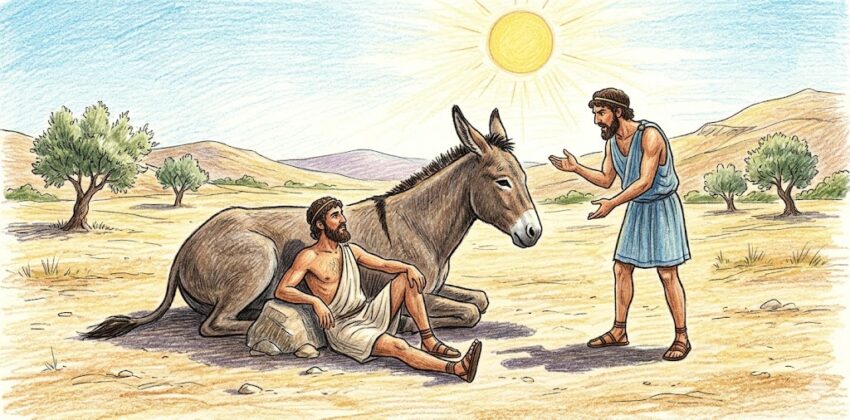
The heat grew so intense that the Traveler finally decided to stop for a rest, and since there was no other shade to be found, the Traveler sat down in the shadow of the Ass.
Cái nóng trở nên gay gắt đến mức người Lữ Hành cuối cùng quyết định dừng lại nghỉ ngơi, và vì không tìm được bóng mát nào khác, ông ta ngồi xuống trong cái bóng của con Lừa.
But the heat had affected the Driver just as much as it had the Traveler, and even more, since he had been walking.
Nhưng cái nóng cũng hành hạ người Người Đánh Xe không kém gì người Lữ Hành, thậm chí còn hơn, vì ông ta đã phải đi bộ suốt.
Wanting to rest in the shade cast by the Ass as well, the Driver began to quarrel with the Traveler, arguing that he had hired the Ass and not the shadow it cast.
Muốn nghỉ ngơi trong bóng mát mà con Lừa tạo ra, người Người Đánh Xe bắt đầu cãi vã với người Lữ Hành, lập luận rằng ông ta đã thuê con Lừa chứ không phải cái bóng của nó.
The two soon came to blows, and while they were fighting, the Ass took to its heels.
Hai người nhanh chóng lao vào ẩu đả, và trong khi họ đang đánh nhau, con Lừa bỏ chạy mất dạng.
In quarreling about the shadow we often lose the substance.
Khi tranh cãi về cái bóng, chúng ta thường đánh mất điều thực sự có giá trị.
The End / Kết Thúc
Special Topic: Shadow, Substance, and the Folly of Petty Disputes
Bình Luận: Cái Bóng, Thực Chất, và Sự Ngu Ngốc của Những Tranh Cãi Vụn Vặt
“The Ass and Its Shadow” is one of Aesop’s most politically resonant fables, remembered not only for its moral but for the legendary way the Greek orator Demosthenes wielded it before the Athenian assembly.
“Con Lừa và Cái Bóng” là một trong những ngụ ngôn có sức vang vọng chính trị mạnh mẽ nhất của Aesop, được nhớ đến không chỉ vì bài học đạo đức mà còn vì cách nhà hùng biện Hy Lạp Demosthenes sử dụng nó một cách huyền thoại trước Hội đồng Athens.
The story is deceptively simple: two men, one animal, and a patch of shade on a scorching plain.
Câu chuyện có vẻ đơn giản đến mức gây nhầm lẫn: hai người đàn ông, một con vật, và một mảng bóng mát trên vùng đồng bằng thiêu đốt.
Yet within that simplicity lies a precise and devastating diagnosis of human nature.
Thế nhưng trong sự đơn giản đó ẩn chứa một chẩn đoán chính xác và tàn khốc về bản chất con người.
What makes the fable so brilliant is that both men have a reasonable argument.
Điều làm cho ngụ ngôn này trở nên xuất sắc là cả hai người đàn ông đều có lý lẽ hợp lý.
The Traveler believes that hiring an animal naturally includes every benefit the animal provides — including its shadow.
Người Lữ Hành tin rằng việc thuê một con vật đương nhiên bao gồm mọi lợi ích mà con vật mang lại — kể cả cái bóng của nó.
The Driver insists the contract was specific: he hired out the Ass, not the shade it casts.
Người Đánh Xe khẳng định hợp đồng rất cụ thể: ông ta cho thuê con Lừa, không phải cái bóng mà nó tạo ra.
Neither is entirely wrong — and that is precisely the trap Aesop sets.
Cả hai đều không hoàn toàn sai — và đó chính xác là cái bẫy mà Aesop đã giăng ra.
Because the question of who is right becomes entirely irrelevant the moment the Ass disappears.
Bởi vì câu hỏi ai đúng trở nên hoàn toàn vô nghĩa ngay khi con Lừa biến mất.
The fable operates on the philosophical distinction between substance and appearance — between what truly exists and what merely derives from it.
Ngụ ngôn vận hành dựa trên sự phân biệt triết học giữa thực chất và hiện tượng — giữa điều thực sự tồn tại và điều chỉ phái sinh từ nó.
The shadow is not a thing in itself — it has no independent existence, no weight, no value apart from the Ass that casts it.
Cái bóng không phải là một thứ độc lập — nó không có sự tồn tại riêng, không có trọng lượng, không có giá trị tách rời khỏi con Lừa tạo ra nó.
To fight over it is to mistake the secondary for the primary, the accidental for the essential.
Tranh giành nó là nhầm lẫn cái thứ yếu với cái chính yếu, nhầm cái ngẫu nhiên với cái bản chất.
This error — elevating a minor benefit into a cause for total conflict — is not limited to ancient travelers on hot plains.
Sai lầm này — đẩy một lợi ích nhỏ lên thành nguyên nhân của cuộc xung đột toàn diện — không chỉ giới hạn ở những người lữ hành thời cổ đại trên vùng đồng bằng nóng bức.
We see it in partnerships dissolved over minor grievances, in negotiations that collapse because each side insists on being right rather than reaching agreement, in communities torn apart by arguments that began as trivial misunderstandings.
Chúng ta thấy nó trong những mối quan hệ tan vỡ vì những bất bình nhỏ nhặt, trong những cuộc đàm phán sụp đổ vì mỗi bên khăng khăng muốn giành phần đúng thay vì đạt được thỏa thuận, trong những cộng đồng bị chia rẽ bởi những cuộc tranh cãi bắt đầu từ những hiểu lầm tầm thường.
Demosthenes understood the fable’s power instinctively.
Demosthenes hiểu sức mạnh của ngụ ngôn này một cách bản năng.
When the Athenian assembly refused to listen to his serious political arguments, he began telling this story — then stopped deliberately mid-tale and walked away.
Khi Hội đồng Athens từ chối lắng nghe những lập luận chính trị nghiêm túc của ông, ông bắt đầu kể câu chuyện này — rồi cố tình dừng lại giữa chừng và bỏ đi.
When the crowd begged him to finish, he turned and rebuked them: you will listen to a story about a donkey’s shadow, but not to the serious affairs of your city.
Khi đám đông van xin ông kể tiếp, ông quay lại và quở trách họ: các ông sẵn sàng lắng nghe câu chuyện về cái bóng của một con lừa, nhưng không chịu nghe những vấn đề hệ trọng của thành bang mình.
The Athenians, in that moment, were the Traveler and the Driver — captivated by the shadow, blind to the substance.
Người Athens, trong khoảnh khắc đó, chính là người Lữ Hành và người Đánh Xe — bị cuốn hút bởi cái bóng, mù quáng trước thực chất.
Aesop’s final line — “In quarreling about the shadow we often lose the substance” — is not merely a warning against petty arguments.
Câu kết của Aesop — “Khi tranh cãi về cái bóng, chúng ta thường đánh mất điều thực sự có giá trị” — không chỉ đơn thuần là lời cảnh báo chống lại những tranh luận vặt vãnh.
It is an invitation to ask, in any conflict: what is the Ass here?
Đó là lời mời gọi chúng ta đặt câu hỏi trong bất kỳ cuộc xung đột nào: ở đây, con Lừa là gì?
What is the real thing of value that both parties share an interest in preserving — and are they about to lose it while arguing over its shadow?
Điều gì là thứ thực sự có giá trị mà cả hai bên đều có lợi ích trong việc gìn giữ — và liệu họ có sắp đánh mất nó trong khi đang tranh cãi về cái bóng của nó không?
The End / Kết Thúc
ATraveler had hired an Ass to carry him to a distant part of the country. The owner of the Ass went along with the Traveler, walking beside him to drive the Ass and show the way.
The road led across a treeless plain where the Sun beat down fiercely. The heat grew so intense that the Traveler finally decided to stop for a rest, and since there was no other shade to be found, the Traveler sat down in the shadow of the Ass.
But the heat had affected the Driver just as much as it had the Traveler, and even more, since he had been walking. Wanting to rest in the shade cast by the Ass as well, the Driver began to quarrel with the Traveler, arguing that he had hired the Ass and not the shadow it cast.
The two soon came to blows, and while they were fighting, the Ass took to its heels.
In quarreling about the shadow we often lose the substance.
Mastering “The Ass and Its Shadow”
Analyze the logic of greed, the philosophy of ownership, and Aesop’s timeless moral.
1. What is the physical catalyst that leads to the conflict between the Traveler and the Owner?
2. What legalistic argument does the Owner use to claim the shadow as his own?
3. How does the Traveler counter the Owner’s claim?
4. What is the ultimate ironic outcome of their physical struggle?
5. In the context of the moral, what does the “Shadow” represent?
6. What is the primary satirical target of this fable?
7. “In quarreling about the shadow we often lose the substance.” Which of these is an example of the “substance” in this story?
8. Why is the Owner’s logic considered “absurd” in a philosophical sense?
9. Which modern phrase best captures the lesson of this fable?
10. What does the donkey’s departure at the end suggest about the nature of the “prize” they fought for?