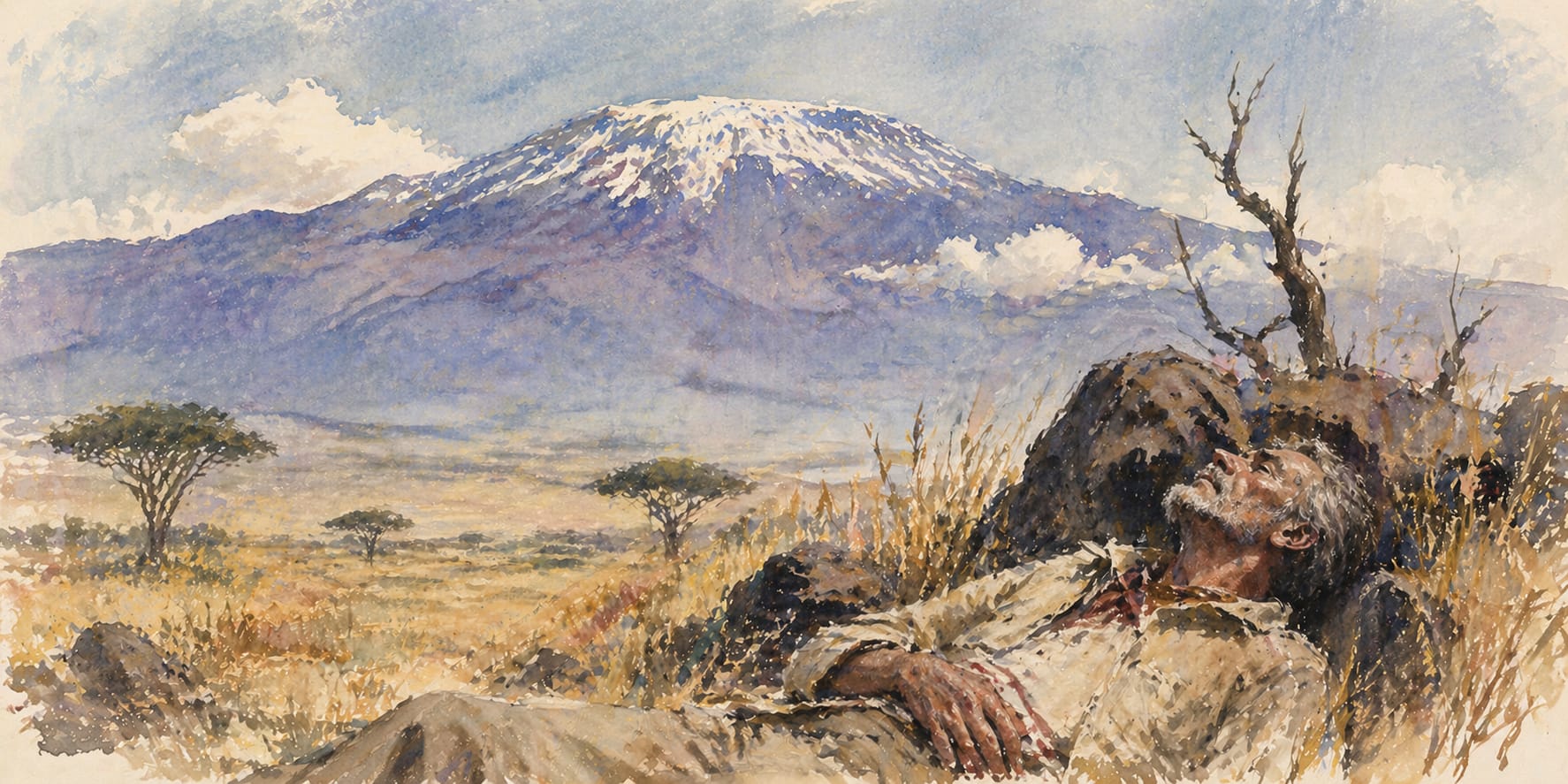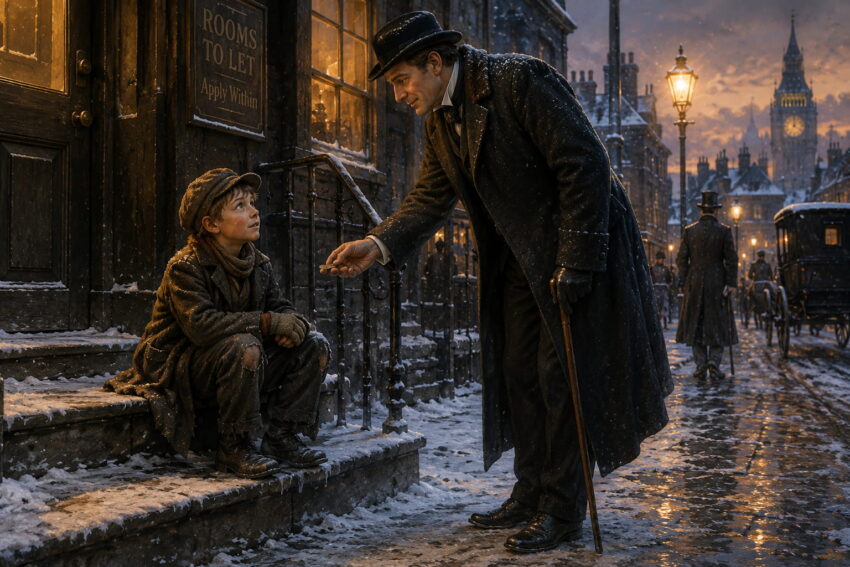
Viết năm 1851, “An Angel in Disguise” của T.S. Arthur là câu chuyện cảm động về lòng nhân từ—khi một đứa trẻ bệnh tật, bị bỏ rơi lại trở thành nguồn ánh sáng kỳ diệu cho gia đình đã cưu mang em.
An Angel in Disguise / Thiên Thần Cải Trang by T.S. Arthur
Part 1: Death and Abandonment
Phần 1: Cái Chết và Sự Bỏ Rơi
Idleness, vice, and intemperance had done their miserable work, and the dead mother lay cold and still amid her wretched children.
Sự lười biếng, thói hư tật xấu và sự thiếu tiết độ đã hoàn thành công việc khốn khổ của chúng, và người mẹ đã chết nằm lạnh lẽo và bất động giữa những đứa con tội nghiệp.
She had fallen upon the threshold of her own door in a drunken fit, and died in the presence of her frightened little ones.
Bà đã ngã xuống ngưỡng cửa nhà mình trong cơn say rượu, và chết trước mặt những đứa con nhỏ đang hoảng sợ.
Death touches the spring of our common humanity.
Cái chết chạm vào suối nguồn nhân tính chung của chúng ta.
This woman had been despised, scoffed at, and angrily denounced by nearly every man, woman, and child in the village; but now, as the fact of her death was passed from lip to lip, in subdued tones, pity took the place of anger, and sorrow of denunciation.
Người phụ nữ này đã bị khinh thường, chế nhạo và tức giận lên án bởi hầu hết mọi người trong làng; nhưng giờ đây, khi tin tức về cái chết của bà được truyền từ miệng này sang miệng khác với giọng thấp nhỏ, sự thương hại đã thay thế cho cơn giận, và nỗi buồn đã thay cho lời lên án.
Neighbors went hastily to the old tumble-down hut, in which she had secured little more than a place of shelter from summer heats and winter cold: some with grave-clothes for a decent interment of the body; and some with food for the half-starving children, three in number.
Hàng xóm vội vã đến căn lều cũ kỹ xiêu vẹo, nơi bà chỉ có được chút ít hơn một chỗ trú ẩn khỏi cái nóng mùa hè và cái lạnh mùa đông: một số mang quần áo liệm để chôn cất tử tế; và một số mang thức ăn cho những đứa trẻ đang nửa chết đói, tất cả là ba đứa.
Of these, John, the oldest, a boy of twelve, was a stout lad, able to earn his living with any farmer.
Trong số đó, John, đứa lớn nhất, một cậu bé mười hai tuổi, là một cậu bé khỏe mạnh, có thể kiếm sống với bất kỳ người nông dân nào.
Kate, between ten and eleven, was a bright, active girl, out of whom something clever might be made, if in good hands; but poor little Maggie, the youngest, was hopelessly diseased.
Kate, khoảng mười đến mười một tuổi, là một cô bé lanh lợi, năng động, có thể trở thành người khéo léo nếu được dạy dỗ tốt; nhưng Maggie bé nhỏ tội nghiệp, đứa nhỏ nhất, lại mắc bệnh không có hy vọng chữa khỏi.
Two years before a fall from a window had injured her spine, and she had not been able to leave her bed since, except when lifted in the arms of her mother.
Hai năm trước, một cú ngã từ cửa sổ đã làm tổn thương cột sống của em, và em không thể rời khỏi giường kể từ đó, trừ khi được bế trên tay mẹ.
“What is to be done with the children?” That was the chief question now.
“Phải làm gì với những đứa trẻ?” Đó là câu hỏi chính lúc này.
The dead mother would go underground, and be forever beyond all care or concern of the villagers.
Người mẹ đã chết sẽ xuống lòng đất, và mãi mãi vượt ngoài mọi sự quan tâm hay lo lắng của dân làng.
But the children must not be left to starve.
Nhưng những đứa trẻ không thể bị bỏ mặc chết đói.
After considering the matter, and talking it over with his wife, farmer Jones said that he would take John, and do well by him, now that his mother was out of the way; and Mrs. Ellis, who had been looking out for a bound girl, concluded that it would be charitable in her to make choice of Katy, even though she was too young to be of much use for several years.
Sau khi cân nhắc sự việc và bàn bạc với vợ, người nông dân Jones nói rằng ông sẽ nhận John và đối xử tốt với cậu bé, nay khi mẹ cậu đã không còn nữa; còn bà Ellis, người đang tìm kiếm một cô bé giúp việc, kết luận rằng sẽ là việc bác ái nếu bà chọn Katy, dù cô bé còn quá nhỏ để hữu ích trong vài năm tới.
“I could do much better, I know,” said Mrs. Ellis; “but as no one seems inclined to take her, I must act from a sense of duty. I expect to have trouble with the child; for she’s an undisciplined thing–used to having her own way.”
“Tôi biết tôi có thể làm tốt hơn,” bà Ellis nói; “nhưng vì không ai có vẻ muốn nhận cô bé, tôi phải hành động vì bổn phận. Tôi đoán sẽ gặp rắc rối với đứa trẻ này; vì nó là đứa không có kỷ luật — quen được chiều theo ý mình.”
But no one said “I’ll take Maggie.”
Nhưng không ai nói “Tôi sẽ nhận Maggie.”
Pitying glances were cast on her wan and wasted form and thoughts were troubled on her account.
Những ánh mắt thương hại nhìn về phía thân hình xanh xao, tiều tụy của em, và mọi người đều bận tâm lo lắng cho em.
Mothers brought cast-off garments and, removing her soiled and ragged clothes, dressed her in clean attire.
Các bà mẹ mang quần áo cũ đến, cởi bỏ những bộ quần áo bẩn thỉu rách rưới của em và mặc cho em quần áo sạch sẽ.
The sad eyes and patient face of the little one touched many hearts, and even knocked at them for entrance.
Đôi mắt buồn bã và khuôn mặt nhẫn nại của đứa bé đã chạm đến nhiều trái tim, thậm chí gõ vào chúng để xin vào.
But none opened to take her in.
Nhưng không ai mở lòng để đón nhận em.
Who wanted a bed-ridden child?
Ai muốn nhận một đứa trẻ phải nằm liệt giường?
“Take her to the poorhouse,” said a rough man, of whom the question “What’s to be done with Maggie?” was asked. “Nobody’s going to be bothered with her.”
“Đưa nó vào nhà tế bần,” một người đàn ông thô lỗ nói khi được hỏi “Phải làm gì với Maggie?” “Không ai muốn bận tâm đến nó cả.”
“The poorhouse is a sad place for a sick and helpless child,” answered one.
“Nhà tế bần là nơi buồn thảm cho một đứa trẻ ốm yếu và bất lực,” một người trả lời.
“For your child or mine,” said the other, lightly speaking; “but for this brat it will prove a blessed change, she will be kept clean, have healthy food, and be doctored, which is more than can be said of her past condition.”
“Với con của anh hay của tôi thì đúng,” người kia nói nhẹ nhàng; “nhưng với con bé này thì đó sẽ là một sự thay đổi may mắn, nó sẽ được giữ sạch sẽ, có thức ăn lành mạnh và được chữa bệnh, điều đó hơn nhiều so với hoàn cảnh trước đây của nó.”
End of Part 1 — Stay tuned for the next part! / Kết thúc Phần 1 — Hãy đón đọc phần tiếp theo!
Part 2: Joe Thompson’s Mercy
Phần 2: Lòng Nhân Từ Của Joe Thompson
There was reason in that, but still it didn’t satisfy.
Điều đó có lý, nhưng vẫn chưa đủ để thỏa mãn.
The day following the day of death was made the day of burial.
Ngày tiếp theo ngày mất là ngày chôn cất.
A few neighbors were at the miserable hovel, but none followed the dead cart as it bore the unhonored remains to its pauper grave.
Một vài người hàng xóm có mặt tại căn lều khốn khổ, nhưng không ai đi theo chiếc xe chở thi hài không được trân trọng đến nơi chôn cất của người nghèo.
Farmer Jones, after the coffin was taken out, placed John in his wagon and drove away, satisfied that he had done his part.
Người nông dân Jones, sau khi quan tài được đưa ra, đặt John lên xe ngựa và lái đi, hài lòng rằng ông đã làm tròn phần việc của mình.
Mrs. Ellis spoke to Kate with a hurried air, “Bid your sister good by,” and drew the tearful children apart ere scarcely their lips had touched in a sobbing farewell.
Bà Ellis nói với Kate bằng giọng vội vã, “Từ biệt chị của con đi,” và kéo những đứa trẻ đang khóc ra xa nhau khi môi chúng vừa chạm nhau trong lời tạm biệt nghẹn ngào.
Hastily others went out, some glancing at Maggie, and some resolutely refraining from a look, until all had gone.
Những người khác vội vã ra đi, một số liếc nhìn Maggie, một số cương quyết không nhìn, cho đến khi tất cả đều đã đi.
She was alone!
Em đã ở một mình!
Just beyond the threshold Joe Thompson, the wheelwright, paused, and said to the blacksmith’s wife, who was hastening off with the rest,– “It’s a cruel thing to leave her so.”
Ngay ngoài ngưỡng cửa, Joe Thompson, người thợ làm bánh xe, dừng lại và nói với vợ người thợ rèn, người đang vội vã rời đi cùng những người khác, “Thật tàn nhẫn khi bỏ em ấy như vậy.”
“Then take her to the poorhouse: she’ll have to go there,” answered the blacksmith’s wife, springing away, and leaving Joe behind.
“Vậy thì đưa nó vào nhà tế bần: nó sẽ phải đến đó thôi,” vợ người thợ rèn trả lời, rồi bước đi nhanh, để Joe lại phía sau.
For a little while the man stood with a puzzled air; then he turned back, and went into the hovel again.
Người đàn ông đứng một lúc với vẻ bối rối; rồi anh ta quay lại và bước vào căn lều một lần nữa.
Maggie with painful effort, had raised herself to an upright position and was sitting on the bed, straining her eyes upon the door out of which all had just departed, A vague terror had come into her thin white face.
Maggie với nỗ lực đau đớn đã nâng mình lên tư thế thẳng đứng và đang ngồi trên giường, căng mắt nhìn về phía cửa mà mọi người vừa rời đi, một nỗi sợ hãi mơ hồ đã hiện lên khuôn mặt trắng xanh gầy gò của em.
“O, Mr. Thompson!” she cried out, catching her suspended breath, “don’t leave me here all alone!”
“Ôi, ông Thompson!” em kêu lên, hít một hơi thở dài, “đừng bỏ em ở đây một mình!”
Though rough in exterior, Joe Thompson, the wheelwright, had a heart, and it was very tender in some places.
Dù bề ngoài thô ráp, Joe Thompson, người thợ làm bánh xe, có một trái tim, và nó rất mềm mại ở một số chỗ.
He liked children, and was pleased to have them come to his shop, where sleds and wagons were made or mended for the village lads without a draft on their hoarded sixpences.
Anh thích trẻ em, và vui lòng khi chúng đến tiệm của anh, nơi xe trượt và xe ngựa được làm hoặc sửa chữa cho những cậu bé trong làng mà không tốn đến những đồng xu mà chúng cất dành.
“No, dear,” he answered, in a kind voice, going to the bed, and stooping down over the child, “You sha’n’t be left here alone.”
“Không, cháu ơi,” anh trả lời bằng giọng tử tế, đi đến giường và cúi xuống trên đứa trẻ, “Cháu sẽ không bị bỏ lại đây một mình.”
Then he wrapped her with the gentleness almost of a woman, in the clean bedclothes which some neighbor had brought; and, lifting her in his strong arms, bore her out into the air and across the field that lay between the hovel and his home.
Rồi anh bọc em với sự nhẹ nhàng gần như của một người phụ nữ, trong những tấm chăn sạch mà một người hàng xóm đã mang đến; và nâng em lên trong vòng tay mạnh mẽ của mình, mang em ra ngoài không khí và qua cánh đồng nằm giữa căn lều và ngôi nhà của anh.
Now, Joe Thompson’s wife, who happened to be childless, was not a woman of saintly temper, nor much given to self-denial for others’ good, and Joe had well-grounded doubts touching the manner of greeting he should receive on his arrival.
Vợ của Joe Thompson, người tình cờ không có con, không phải là người phụ nữ có tính cách thánh thiện, cũng không hay từ bỏ bản thân vì lợi ích của người khác, và Joe có những nghi ngờ có cơ sở về cách chào đón mà anh sẽ nhận được khi về đến nhà.
Mrs. Thompson saw him approaching from the window, and with ruffling feathers met him a few paces from the door, as he opened the garden gate, and came in.
Bà Thompson nhìn thấy anh đang đến gần từ cửa sổ, và với vẻ bực bội ra gặp anh vài bước trước cửa, khi anh mở cổng vườn và bước vào.
He bore a precious burden, and he felt it to be so.
Anh mang một gánh nặng quý giá, và anh cảm thấy như vậy.
As his arms held the sick child to his breast, a sphere of tenderness went out from her, and penetrated his feelings.
Khi vòng tay anh ôm đứa trẻ ốm yếu vào lòng, một vầng hào quang dịu dàng tỏa ra từ em và thấm vào cảm xúc của anh.
A bond had already corded itself around them both, and love was springing into life.
Một sợi dây ràng buộc đã tự thắt quanh cả hai, và tình yêu thương đang nảy sinh.
“What have you there?” sharply questioned Mrs. Thompson.
“Anh mang gì về đó?” bà Thompson hỏi gay gắt.
Joe felt the child start and shrink against him.
Joe cảm thấy đứa trẻ giật mình và co rúm vào người anh.
He did not reply, except by a look that was pleading and cautionary, that said, “Wait a moment for explanations, and be gentle;” and, passing in, carried Maggie to the small chamber on the first floor, and laid her on a bed.
Anh không trả lời, chỉ bằng một ánh nhìn cầu xin và cảnh báo, như muốn nói, “Chờ một chút để giải thích, và hãy nhẹ nhàng;” và đi vào trong, mang Maggie đến căn phòng nhỏ ở tầng trệt và đặt em lên giường.
Then, stepping back, he shut the door, and stood face to face with his vinegar-tempered wife in the passage-way outside.
Rồi bước ra sau, anh đóng cửa lại và đứng đối mặt với người vợ chua ngoa của mình ngoài hành lang.
“You haven’t brought home that sick brat!” Anger and astonishment were in the tones of Mrs. Joe Thompson; her face was in a flame.
“Anh không thể mang con bé bệnh tật đó về nhà!” Giận dữ và kinh ngạc hiện trong giọng nói của bà Joe Thompson; khuôn mặt bà đỏ bừng.
“I think women’s hearts are sometimes very hard,” said Joe.
“Tôi nghĩ trái tim phụ nữ đôi khi rất cứng rắn,” Joe nói.
Usually Joe Thompson got out of his wife’s way, or kept rigidly silent and non-combative when she fired up on any subject; it was with some surprise, therefore, that she now encountered a firmly-set countenance and a resolute pair of eyes.
Thường thì Joe Thompson né tránh vợ, hoặc giữ im lặng tuyệt đối và không tranh cãi khi bà nổi giận về bất kỳ chủ đề nào; vì vậy, bà khá ngạc nhiên khi lần này gặp phải một khuôn mặt kiên định và đôi mắt cương quyết.
“Women’s hearts are not half so hard as men’s!”
“Trái tim phụ nữ không cứng rắn bằng một nửa trái tim đàn ông!”
End of Part 2 — Stay tuned for the next part! / Kết thúc Phần 2 — Hãy đón đọc phần tiếp theo!
Final Part: An Angel Comes Home
Part Cuối: Thiên Thần Về Nhà
Joe saw, by a quick intuition, that his resolute bearing had impressed his wife and he answered quickly, and with real indignation, “Be that as it may, every woman at the funeral turned her eyes steadily from the sick child’s face, and when the cart went off with her dead mother, hurried away, and left her alone in that old hut, with the sun not an hour in the sky.”
Joe nhận ra qua trực giác nhanh nhạy rằng thái độ cương quyết của anh đã gây ấn tượng với vợ và anh trả lời nhanh chóng, với sự phẫn nộ thực sự, “Dù sao đi nữa, mọi người phụ nữ tại đám tang đều nhất quyết quay mắt đi khỏi khuôn mặt đứa trẻ bệnh tật, và khi xe chở người mẹ đã chết đi, họ vội vã rời đi và bỏ em ấy một mình trong căn lều cũ đó, khi mặt trời chưa lên được một tiếng.”
“Where were John and Kate?” asked Mrs. Thompson.
“John và Kate đâu rồi?” bà Thompson hỏi.
“Farmer Jones tossed John into his wagon, and drove off. Katie went home with Mrs. Ellis; but nobody wanted the poor sick one. ‘Send her to the poorhouse,’ was the cry.”
“Người nông dân Jones tống John lên xe ngựa rồi lái đi. Katie về nhà với bà Ellis; nhưng không ai muốn đứa bé ốm yếu tội nghiệp. ‘Đưa nó vào nhà tế bần,’ đó là tiếng kêu.”
“Why didn’t you let her go, then. What did you bring her here for?”
“Vậy sao anh không để nó đi. Anh mang nó về đây để làm gì?”
“She can’t walk to the poorhouse,” said Joe; “somebody’s arms must carry her, and mine are strong enough for that task.”
“Nó không thể tự đi đến nhà tế bần,” Joe nói; “phải có ai đó bế nó, và tay anh đủ mạnh để làm việc đó.”
“Then why didn’t you keep on? Why did you stop here?” demanded the wife.
“Vậy sao anh không tiếp tục đi? Sao anh lại dừng ở đây?” người vợ hỏi gắt.
“Because I’m not apt to go on fools’ errands. The Guardians must first be seen, and a permit obtained.”
“Vì anh không hay làm những việc ngớ ngẩn. Phải gặp Ban Giám Hộ trước và xin giấy phép.”
There was no gainsaying this.
Điều này không thể bác bỏ.
“When will you see the Guardians?” was asked, with irrepressible impatience.
“Khi nào anh sẽ gặp Ban Giám Hộ?” được hỏi với sự thiếu kiên nhẫn không kìm được.
“To-morrow.”
“Ngày mai.”
“Why put it off till to-morrow? Go at once for the permit, and get the whole thing off of your hands to-night.”
“Sao lại để đến ngày mai? Hãy đi ngay lấy giấy phép và giải quyết xong mọi chuyện tối nay.”
“Jane,” said the wheelwright, with an impressiveness of tone that greatly subdued his wife, “I read in the Bible sometimes, and find much said about little children. How the Savior rebuked the disciples who would not receive them; how he took them up in his arms, and blessed them; and how he said that ‘whosoever gave them even a cup of cold water should not go unrewarded.’ Now, it is a small thing for us to keep this poor motherless little one for a single night; to be kind to her for a single night; to make her life comfortable for a single night.”
“Jane,” người thợ làm bánh xe nói với giọng điệu ấn tượng khiến vợ anh phần nào dịu xuống, “Tôi đôi khi đọc Kinh Thánh và thấy có nhiều điều nói về trẻ nhỏ. Cách Đấng Cứu Thế quở trách các môn đồ không muốn tiếp nhận chúng; cách Ngài bế chúng trong vòng tay và ban phước cho chúng; và cách Ngài nói rằng ‘ai cho chúng dù chỉ một chén nước lạnh cũng sẽ không thiếu phần thưởng.’ Bây giờ, đó là điều nhỏ nhoi để chúng ta giữ đứa bé mồ côi tội nghiệp này chỉ một đêm; để tử tế với em ấy chỉ một đêm; để làm cho cuộc sống của em ấy thoải mái chỉ một đêm.”
The voice of the strong, rough man shook, and he turned his head away, so that the moisture in his eyes might not be seen.
Giọng của người đàn ông mạnh mẽ, thô ráp run lên, và anh quay đầu đi để không ai thấy sự ẩm ướt trong mắt anh.
Mrs. Thompson did not answer, but a soft feeling crept into her heart.
Bà Thompson không trả lời, nhưng một cảm giác mềm mại len lỏi vào trái tim bà.
“Look at her kindly, Jane; speak to her kindly,” said Joe. “Think of her dead mother, and the loneliness, the pain, the sorrow that must be on all her coming life.”
“Hãy nhìn em ấy bằng ánh mắt tử tế, Jane; hãy nói chuyện với em ấy bằng giọng tử tế,” Joe nói. “Hãy nghĩ đến người mẹ đã chết của em, và sự cô đơn, nỗi đau, nỗi buồn sẽ phủ lên toàn bộ cuộc đời còn lại của em.”
The softness of his heart gave unwonted eloquence to his lips.
Sự mềm mại trong trái tim anh mang lại sự hùng hồn không thường thấy cho đôi môi anh.
Mrs. Thompson did not reply, but presently turned towards the little chamber where her husband had deposited Maggie; and, pushing open the door, went quietly in.
Bà Thompson không trả lời, nhưng ngay sau đó quay về phía căn phòng nhỏ nơi chồng bà đã đặt Maggie; và, đẩy cửa ra, bước vào trong lặng lẽ.
Joe did not follow; he saw that, her state had changed, and felt that it would be best to leave her alone with the child.
Joe không theo vào; anh thấy rằng trạng thái của bà đã thay đổi, và cảm thấy tốt nhất nên để bà một mình với đứa trẻ.
So he went to his shop, which stood near the house, and worked until dusky evening released him from labor.
Vì vậy anh đi đến tiệm của mình, nằm gần nhà, và làm việc cho đến khi buổi chiều tối giải phóng anh khỏi công việc.
A light shining through the little chamber window was the first object that attracted Joe’s attention on turning towards the house: it was a good omen.
Ánh sáng chiếu qua cửa sổ căn phòng nhỏ là vật đầu tiên thu hút sự chú ý của Joe khi anh quay về phía ngôi nhà: đó là điềm lành.
The path led him by this window and, when opposite, he could not help pausing to look in.
Con đường dẫn anh qua cửa sổ này và khi đứng đối diện, anh không thể không dừng lại để nhìn vào.
It was now dark enough outside to screen him from observation.
Bên ngoài đã đủ tối để che khuất anh khỏi tầm nhìn.
Maggie lay, a little raised on the pillow with the lamp shining full upon her face.
Maggie nằm, đầu hơi kê cao trên gối với ánh đèn chiếu thẳng vào khuôn mặt em.
Mrs. Thompson was sitting by the bed, talking to the child; but her back was towards the window, so that her countenance was not seen.
Bà Thompson đang ngồi bên giường, nói chuyện với đứa trẻ; nhưng lưng bà quay về phía cửa sổ, nên khuôn mặt bà không nhìn thấy được.
From Maggie’s face, therefore, Joe must read the character of their intercourse.
Vì vậy, Joe phải đọc tính chất cuộc trò chuyện của họ từ khuôn mặt của Maggie.
He saw that her eyes were intently fixed upon his wife; that now and then a few words came, as if in answers from her lips; that her expression was sad and tender; but he saw nothing of bitterness or pain.
Anh thấy mắt em đang chăm chú nhìn vợ anh; rằng thỉnh thoảng vài lời nói ra, như thể là những câu trả lời từ môi em; rằng vẻ mặt em buồn bã và dịu dàng; nhưng anh không thấy bất kỳ sự cay đắng hay đau đớn nào.
A deep-drawn breath was followed by one of relief, as a weight lifted itself from his heart.
Một hơi thở sâu được tiếp nối bởi một hơi thở nhẹ nhõm, như thể một gánh nặng được nhấc ra khỏi trái tim anh.
On entering, Joe did not go immediately to the little chamber.
Khi bước vào, Joe không đi ngay đến căn phòng nhỏ.
His heavy tread about the kitchen brought his wife somewhat hurriedly from the room where she had been with Maggie.
Tiếng bước chân nặng nề của anh trong bếp khiến vợ anh bước ra khá vội vã từ căn phòng nơi bà đang ở với Maggie.
Joe thought it best not to refer to the child, nor to manifest any concern in regard to her.
Joe nghĩ tốt nhất không nên nhắc đến đứa trẻ, cũng không nên thể hiện bất kỳ sự lo lắng nào về em.
“How soon will supper be ready?” he asked.
“Bao giờ thì bữa tối sẵn sàng?” anh hỏi.
“Right soon,” answered Mrs. Thompson, beginning to bustle about. There was no asperity in her voice.
“Sắp xong rồi,” bà Thompson trả lời, bắt đầu tất bật. Không có sự chua cay trong giọng bà.
After washing from his hands and face the dust and soil of work, Joe left the kitchen, and went to the little bedroom.
Sau khi rửa bụi bẩn của công việc khỏi tay và mặt, Joe rời bếp và đi đến căn phòng nhỏ.
A pair of large bright eyes looked up at him from the snowy bed; looked at him tenderly, gratefully, pleadingly.
Một đôi mắt to sáng nhìn lên anh từ chiếc giường trắng tinh; nhìn anh với vẻ dịu dàng, biết ơn, và cầu xin.
How his heart swelled in his bosom! With what a quicker motion came the heart-beats!
Trái tim anh căng phồng trong lồng ngực biết bao! Nhịp tim đập nhanh hơn biết bao!
Joe sat down, and now, for the first time, examining the thin frame carefully under the lamp light, saw that it was an attractive face, and full of a childish sweetness which suffering had not been able to obliterate.
Joe ngồi xuống, và bây giờ, lần đầu tiên, quan sát kỹ thân hình gầy gò dưới ánh đèn, nhận ra đó là một khuôn mặt hấp dẫn, đầy ắp sự ngọt ngào trẻ thơ mà đau khổ không thể xóa nhòa.
“Your name is Maggie?” he said, as he sat down and took her soft little hand in his.
“Tên cháu là Maggie?” anh nói khi ngồi xuống và cầm lấy bàn tay nhỏ mềm mại của em.
“Yes, sir.” Her voice struck a chord that quivered in a low strain of music.
“Vâng, thưa ông.” Giọng em chạm vào một nốt nhạc rung lên trong giai điệu trầm thấp của âm nhạc.
“Have you been sick long?”
“Cháu bệnh lâu chưa?”
“Yes, sir.” What a sweet patience was in her tone!
“Vâng, thưa ông.” Sự nhẫn nại ngọt ngào biết bao trong giọng em!
“Has the doctor been to see you?”
“Bác sĩ có đến khám cháu không?”
“He used to come.”
“Ông ấy thỉnh thoảng có đến.”
“But not lately?”
“Nhưng gần đây thì không?”
“No, sir.”
“Không, thưa ông.”
“Have you any pain?”
“Cháu có đau không?”
“Sometimes, but not now.”
“Đôi khi, nhưng bây giờ thì không.”
“When had you pain?”
“Cháu đau khi nào?”
“This morning my side ached, and my back hurt when you carried me.”
“Sáng nay hông cháu đau, và lưng cháu đau khi ông bế cháu.”
“It hurts you to be lifted or moved about?”
“Cháu đau khi được bế hay di chuyển?”
“Yes, sir.”
“Vâng, thưa ông.”
“Your side doesn’t ache now?”
“Hông cháu bây giờ không đau nữa?”
“No, sir.”
“Không, thưa ông.”
“Does it ache a great deal?”
“Nó đau nhiều không?”
“Yes, sir; but it hasn’t ached any since I’ve been on this soft bed.”
“Vâng, thưa ông; nhưng nó không đau nữa kể từ khi cháu nằm trên chiếc giường mềm này.”
“The soft bed feels good.”
“Chiếc giường mềm thật dễ chịu.”
“O, yes, sir–so good!” What a satisfaction, mingled with gratitude, was in her voice!
“Ôi, vâng, thưa ông — thật dễ chịu lắm!” Sự thỏa mãn xen lẫn lòng biết ơn biết bao trong giọng em!
“Supper is ready,” said Mrs. Thompson, looking into the room a little while afterwards.
“Bữa tối đã sẵn sàng,” bà Thompson nói khi nhìn vào phòng một lúc sau đó.
Joe glanced from his wife’s face to that of Maggie; she understood him, and answered,– “She can wait until we are done; then I will bring her something to eat.”
Joe liếc từ khuôn mặt vợ sang khuôn mặt Maggie; bà hiểu ý anh và trả lời, “Em ấy có thể chờ cho đến khi chúng ta ăn xong; rồi tôi sẽ mang cho em ấy thứ gì đó để ăn.”
There was an effort at indifference on the part of Mrs. Thompson, but her husband had seen her through the window, and understood that the coldness was assumed.
Có sự cố gắng tỏ ra thờ ơ từ phía bà Thompson, nhưng chồng bà đã nhìn thấy bà qua cửa sổ và hiểu rằng sự lạnh lùng đó chỉ là giả tạo.
Joe waited, after sitting down to the table, for his wife to introduce the subject uppermost in both of their thoughts; but she kept silent on that theme, for many minutes, and he maintained a like reserve.
Joe chờ đợi, sau khi ngồi xuống bàn, để vợ khơi lên chủ đề quan trọng nhất trong tâm trí cả hai; nhưng bà im lặng về chủ đề đó trong nhiều phút, và anh cũng giữ thái độ dè dặt tương tự.
At last she said, abruptly,– “What are you going to do with that child?”
Cuối cùng bà nói, đột ngột, “Anh định làm gì với đứa trẻ đó?”
“I thought you understood me that she was to go to the poorhouse,” replied Joe, as if surprised at her question.
“Tôi tưởng em hiểu rằng nó sẽ vào nhà tế bần,” Joe trả lời, như thể ngạc nhiên trước câu hỏi của bà.
Mrs. Thompson looked rather strangely at her husband for some moments, and then dropped her eyes.
Bà Thompson nhìn chồng một cách kỳ lạ trong vài khoảnh khắc, rồi cúi mắt xuống.
The subject was not again referred to during the meal.
Chủ đề đó không được nhắc đến nữa trong bữa ăn.
At its close, Mrs. Thompson toasted a slice of bread, and softened it with milk and butter; adding to this a cup of tea, she took them into Maggie, and held the small waiter, on which she had placed them, while the hungry child ate with every sign of pleasure.
Cuối bữa ăn, bà Thompson nướng một lát bánh mì và làm mềm nó với sữa và bơ; thêm vào đó một tách trà, bà mang chúng vào cho Maggie và giữ chiếc khay nhỏ mà bà đặt chúng lên trong khi đứa trẻ đói ăn với mọi dấu hiệu của niềm vui.
“Is it good?” asked Mrs. Thompson, seeing with what a keen relish the food was taken.
“Có ngon không?” bà Thompson hỏi khi thấy thức ăn được ăn với vẻ thích thú mạnh mẽ như vậy.
The child paused with the cup in her hand, and answered with a look of gratitude that awoke to new life old human feelings which had been slumbering in her heart for half a score of years.
Đứa trẻ dừng lại với tách trà trên tay và trả lời bằng một ánh nhìn biết ơn đã đánh thức những cảm xúc nhân văn cũ kỹ vốn đã ngủ quên trong trái tim bà suốt gần mười năm.
“We’ll keep her a day or two longer; she is so weak and helpless,” said Mrs. Joe Thompson, in answer to her husband’s remark, at breakfast-time on the next morning, that he must step down and see the Guardians of the Poor about Maggie.
“Chúng ta sẽ giữ em ấy thêm một hai ngày nữa; em ấy quá yếu ớt và bất lực,” bà Joe Thompson nói, để trả lời nhận xét của chồng vào buổi sáng hôm sau khi ăn sáng, rằng anh phải đi gặp Ban Giám Hộ Người Nghèo về Maggie.
“She’ll be so much in your way,” said Joe.
“Em ấy sẽ làm phiền em nhiều lắm,” Joe nói.
“I sha’n’t mind that for a day or two. Poor thing!”
“Em sẽ không bận tâm điều đó trong một hai ngày. Tội nghiệp!”
Joe did not see the Guardians of the Poor on that day, on the next, nor on the day following.
Joe không gặp Ban Giám Hộ Người Nghèo vào ngày đó, ngày hôm sau, cũng không phải ngày tiếp theo.
In fact, he never saw them at all on Maggie’s account, for in less than a week Mrs. Joe Thompson would as soon have thought of taking up her own abode in the almshouse as sending Maggie there.
Thực ra, anh không bao giờ gặp họ về chuyện của Maggie, vì chưa đầy một tuần bà Joe Thompson thà nghĩ đến việc tự mình vào nhà tế bần còn hơn là gửi Maggie đến đó.
What light and blessing did that sick and helpless child bring to the home of Joe Thompson, the poor wheelwright!
Ánh sáng và phước lành nào mà đứa trẻ ốm yếu và bất lực đó đã mang đến cho ngôi nhà của Joe Thompson, người thợ làm bánh xe nghèo!
It had been dark, and cold, and miserable there for a long time just because his wife had nothing to love and care for out of herself, and so became sore, irritable, ill-tempered, and self-afflicting in the desolation of her woman’s nature.
Nơi đó đã tối tăm, lạnh lẽo và khốn khổ trong một thời gian dài chỉ vì người vợ không có gì để yêu thương và chăm sóc ngoài bản thân, và vì vậy trở nên cáu kỉnh, bực bội, khó tính và tự dày vò trong sự hoang vắng của bản chất người phụ nữ của bà.
Now the sweetness of that sick child, looking ever to her in love, patience, and gratitude, was as honey to her soul, and she carried her in her heart as well as in her arms, a precious burden.
Giờ đây sự ngọt ngào của đứa trẻ bệnh tật, luôn nhìn bà với tình yêu thương, kiên nhẫn và lòng biết ơn, như mật ong cho tâm hồn bà, và bà mang em trong trái tim cũng như trong vòng tay, một gánh nặng quý giá.
As for Joe Thompson, there was not a man in all the neighborhood who drank daily of a more precious wine of life than he.
Còn về Joe Thompson, không có người đàn ông nào trong khắp vùng lân cận uống mỗi ngày thứ rượu cuộc đời quý giá hơn anh.
An angel had come into his house, disguised as a sick, helpless, and miserable child, and filled all its dreary chambers with the sunshine of love.
Một thiên thần đã đến ngôi nhà của anh, cải trang thành một đứa trẻ ốm yếu, bất lực và khốn khổ, và lấp đầy tất cả những căn phòng ảm đạm của nó bằng ánh nắng của tình yêu thương.
The End / Kết Thúc
Special Topic: The Light a Sick Child Brings
Bình Luận: Ánh Sáng Từ Đứa Trẻ Bệnh Tật
“An Angel in Disguise” (1851) is a short story by T.S. Arthur that explores how an unexpected act of compassion can transform the coldest of hearts.
“An Angel in Disguise” (1851) là truyện ngắn của T.S. Arthur khám phá cách một hành động trắc ẩn bất ngờ có thể biến đổi những trái tim lạnh lùng nhất.
At its core, the story is about the transformative power of vulnerability — how a sick, helpless child becomes an unlikely agent of healing for those around her.
Về cốt lõi, câu chuyện nói về sức mạnh biến đổi của sự dễ tổn thương — cách một đứa trẻ ốm yếu, bất lực trở thành tác nhân chữa lành bất ngờ cho những người xung quanh.
Arthur uses the character of Maggie not merely as an object of pity, but as a moral mirror that reflects the hidden humanity in those who encounter her.
Arthur dùng nhân vật Maggie không chỉ như một đối tượng đáng thương mà còn như tấm gương đạo đức phản chiếu nhân tính ẩn giấu trong những người gặp em.
The story opens with a community that has long despised the drunken mother, yet death softens even the hardest attitudes, revealing that compassion lies dormant beneath social judgment.
Câu chuyện mở đầu với một cộng đồng lâu nay khinh thường người mẹ say rượu, nhưng cái chết làm dịu ngay cả những thái độ cứng rắn nhất, bộc lộ rằng lòng trắc ẩn đang ngủ yên bên dưới sự phán xét xã hội.
The three orphaned children represent three possible fates: John is absorbed into the productive economy, Kate into domestic servitude, but Maggie — bed-ridden and “useless” by society’s standards — is left behind.
Ba đứa trẻ mồ côi đại diện cho ba số phận có thể: John được hòa nhập vào nền kinh tế sản xuất, Kate vào vai trò giúp việc gia đình, nhưng Maggie — phải nằm liệt giường và “vô dụng” theo tiêu chuẩn xã hội — bị bỏ lại phía sau.
Herein lies Arthur’s central critique: a society that values only productivity will always abandon its most vulnerable members.
Đây chính là sự phê phán trung tâm của Arthur: một xã hội chỉ coi trọng năng suất sẽ luôn bỏ rơi những thành viên dễ tổn thương nhất của mình.
Joe Thompson emerges as the story’s quiet hero — not a man of grand gestures, but one whose simple act of carrying a child across a field becomes profoundly symbolic.
Joe Thompson nổi lên là anh hùng thầm lặng của câu chuyện — không phải là người có cử chỉ cao cả, nhưng là người mà hành động đơn giản bế một đứa trẻ qua cánh đồng lại trở nên có ý nghĩa sâu sắc.
His arms carry Maggie physically, but it is his moral courage — standing firm against both community indifference and his wife’s temper — that truly elevates him.
Vòng tay anh bế Maggie về mặt vật lý, nhưng chính lòng dũng cảm đạo đức — đứng vững trước cả sự thờ ơ của cộng đồng lẫn tính khí của vợ — mới thực sự nâng tầm anh.
Mrs. Thompson’s transformation is the emotional heart of the narrative. Her initial hostility is not portrayed as simple cruelty but as the bitterness of an unfulfilled woman — childless, loveless, emotionally starved.
Sự biến đổi của bà Thompson là trái tim cảm xúc của câu chuyện. Sự thù địch ban đầu của bà không được miêu tả là sự tàn ác đơn thuần mà là sự cay đắng của một người phụ nữ chưa được thỏa mãn — không con, không tình yêu, thiếu thốn về cảm xúc.
Maggie’s wordless gratitude — her large bright eyes, her patient endurance — speaks a language that bypasses Mrs. Thompson’s defenses and reaches the buried tenderness within her.
Lòng biết ơn không lời của Maggie — đôi mắt to sáng, sự nhẫn nại chịu đựng — nói lên ngôn ngữ vượt qua hàng rào phòng thủ của bà Thompson và chạm đến sự dịu dàng chôn vùi trong lòng bà.
Arthur’s narrative technique is deliberately restrained. He shows rather than tells — Joe watching through the window, reading Maggie’s face to understand the scene unfolding inside, is a masterstroke of indirect narration.
Kỹ thuật tường thuật của Arthur cố tình kiềm chế. Ông cho thấy thay vì kể — Joe nhìn qua cửa sổ, đọc khuôn mặt Maggie để hiểu cảnh đang diễn ra bên trong, là một nước đi xuất sắc của lối kể gián tiếp.
The title itself carries rich theological resonance. Angels in religious tradition are messengers and healers; Arthur’s angel arrives not in glory but in suffering, not to be served but to serve through her very need.
Chính nhan đề mang cộng hưởng thần học phong phú. Thiên thần trong truyền thống tôn giáo là những sứ giả và người chữa lành; thiên thần của Arthur đến không phải trong vinh quang mà trong đau khổ, không phải để được phục vụ mà để phục vụ thông qua chính nhu cầu của em.
This inversion — the helpless as healer, the burden as blessing — is the story’s most enduring philosophical insight.
Sự đảo ngược này — người bất lực là người chữa lành, gánh nặng là phước lành — là cái nhìn triết học bền vững nhất của câu chuyện.
Written in 1851, the story also reflects the social anxieties of its era: the treatment of the poor, the role of charity, and the moral obligations of community members to one another.
Được viết năm 1851, câu chuyện cũng phản ánh những lo âu xã hội của thời đại: việc đối xử với người nghèo, vai trò của lòng từ thiện, và những nghĩa vụ đạo đức của các thành viên cộng đồng đối với nhau.
Arthur, a prolific moral writer of the 19th century, believed deeply that literature should uplift and instruct — and in Maggie, he created one of his most quietly powerful vehicles for that belief.
Arthur, một nhà văn đạo đức đa tác của thế kỷ 19, tin sâu sắc rằng văn học phải nâng cao và giáo dục — và trong Maggie, ông đã tạo ra một trong những phương tiện thầm lặng nhưng mạnh mẽ nhất cho niềm tin đó.
Ultimately, “An Angel in Disguise” reminds us that love is not always found where we expect it, and that those we are least inclined to welcome may carry within them the very gift our souls most need.
Cuối cùng, “An Angel in Disguise” nhắc nhở chúng ta rằng tình yêu không phải lúc nào cũng được tìm thấy ở nơi chúng ta mong đợi, và những người chúng ta ít có xu hướng chào đón nhất có thể mang trong mình chính món quà mà tâm hồn chúng ta cần nhất.
The End / Kết Thúc
Mastering “An Angel in Disguise”
Explore the themes of redemption, empathy, and the transformative power of love.
1. What is the initial attitude of the villagers toward the three children after their mother’s death?
2. Why is Maggie described as being “left alone” in the old hut?
3. What does Joe Thompson’s decision to carry Maggie home reveal about his character?
4. How is Mrs. Jane Thompson initially characterized in the story?
5. What strategy does Joe Thompson use to convince his wife to let Maggie stay for one night?
6. What is the symbolic meaning of the “light” that begins to shine in the Thompson home?
7. How does Maggie herself act as the “Angel in Disguise”?
8. What irony is present in the “burden” that the villagers feared?
9. What does the ending of the story suggest about the true nature of charity?
10. In the final paragraph, how is the Thompson house described in comparison to its previous state?