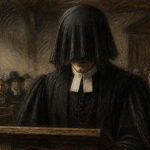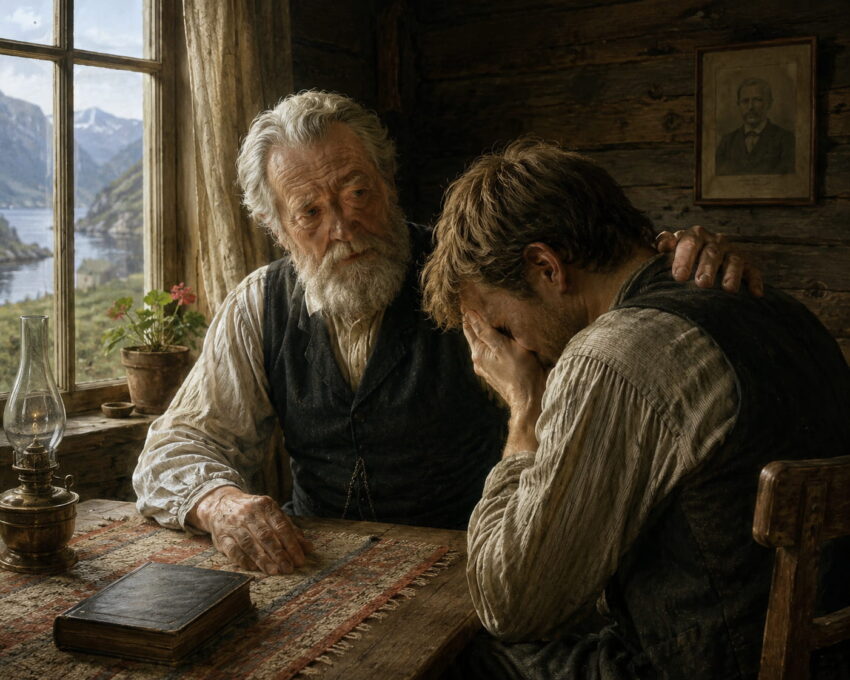
Chỉ hơn một nghìn từ, “The Father” của Bjørnstjerne Bjørnson kể hành trình tâm linh của một người cha giàu có — từ kiêu ngạo đến tan vỡ, rồi tìm lại được điều thực sự có giá trị trong cuộc đời.
The Father / Người Cha by Bjørnstjerne Bjørnson
Part 1: The Baptism
Phần 1: Lễ Rửa Tội
THE man whose story is here to be told was the wealthiest and most influential person in his parish; his name was Thord Overaas.
Người đàn ông mà câu chuyện này sắp kể là người giàu nhất và có ảnh hưởng nhất trong giáo xứ; tên ông là Thord Overaas.
He appeared in the priest’s study one day, tall and earnest.
Một ngày ông xuất hiện trong phòng làm việc của linh mục, cao lớn và nghiêm trang.
“I have gotten a son,” said he, “and I wish to present him for baptism.”
“Tôi đã có một đứa con trai,” ông nói, “và tôi muốn đưa cháu đến để làm lễ rửa tội.”
“What shall his name be?”
“Tên cháu sẽ là gì?”
“Finn,—after my father.”
“Finn — theo tên cha tôi.”
“And the sponsors?”
“Còn người đỡ đầu?”
They were mentioned, and proved to be the best men and women of Thord’s relations in the parish.
Họ được nêu tên, và đều là những người đàn ông và phụ nữ xuất sắc nhất trong họ hàng của Thord trong giáo xứ.
“Is there anything else?” inquired the priest, and looked up.
“Còn điều gì nữa không?” linh mục hỏi và ngẩng đầu lên.
The peasant hesitated a little.
Người nông dân do dự một chút.
“I should like very much to have him baptized by himself,” said he, finally.
“Tôi rất muốn để cháu được rửa tội riêng,” ông nói cuối cùng.
“That is to say on a week-day?”
“Tức là vào một ngày trong tuần?”
“Next Saturday, at twelve o’clock noon.”
“Thứ Bảy tới, lúc mười hai giờ trưa.”
“Is there anything else?” inquired the priest.
“Còn điều gì nữa không?” linh mục hỏi.
“There is nothing else;” and the peasant twirled his cap, as though he were about to go.
“Không còn gì nữa;” và người nông dân xoay chiếc mũ, như thể ông sắp ra về.
Then the priest rose.
Rồi linh mục đứng dậy.
“There is yet this, however,” said he, and walking toward Thord, he took him by the hand and looked gravely into his eyes: “God grant that the child may become a blessing to you!”
“Nhưng vẫn còn điều này,” ông nói, và bước đến phía Thord, nắm tay ông và nhìn nghiêm nghị vào mắt ông: “Cầu Chúa cho đứa trẻ trở thành một phước lành cho ông!”
End of Part 1 — Stay tuned for the next part! / Kết thúc Phần 1 — Hãy đón đọc phần tiếp theo!
Part 2: Confirmation and the Wedding
Phần 2: Lễ Thêm Sức và Đám Cưới
One day sixteen years later, Thord stood once more in the priest’s study.
Một ngày mười sáu năm sau, Thord lại một lần nữa đứng trong phòng làm việc của linh mục.
“Really, you carry your age astonishingly well, Thord,” said the priest; for he saw no change whatever in the man.
“Thật ra, ông vẫn trẻ trung một cách đáng kinh ngạc, Thord,” linh mục nói; vì ông không thấy bất kỳ thay đổi nào ở người đàn ông này.
“That is because I have no troubles,” replied Thord.
“Đó là vì tôi không có phiền não gì,” Thord trả lời.
To this the priest said nothing, but after a while he asked: “What is your pleasure this evening?”
Linh mục không nói gì về điều đó, nhưng sau một lúc ông hỏi: “Tối nay ông muốn gì?”
“I have come this evening about that son of mine who is to be confirmed to-morrow.”
“Tôi đến tối nay là về đứa con trai sẽ được làm lễ thêm sức vào ngày mai.”
“He is a bright boy.”
“Cậu bé thông minh lắm.”
“I did not wish to pay the priest until I heard what number the boy would have when he takes his place in church to-morrow.”
“Tôi không muốn trả tiền cho linh mục cho đến khi nghe số thứ tự mà cậu bé sẽ có khi đứng vào chỗ của mình trong nhà thờ ngày mai.”
“He will stand number one.”
“Cậu bé sẽ đứng số một.”
“So I have heard; and here are ten dollars for the priest.”
“Tôi đã nghe vậy; và đây là mười đô la cho linh mục.”
“Is there anything else I can do for you?” inquired the priest, fixing his eyes on Thord.
“Còn điều gì tôi có thể làm cho ông không?” linh mục hỏi, mắt nhìn thẳng vào Thord.
“There is nothing else.”
“Không còn gì nữa.”
Thord went out.
Thord bước ra ngoài.
Eight years more rolled by, and then one day a noise was heard outside of the priest’s study, for many men were approaching, and at their head was Thord, who entered first.
Tám năm nữa trôi qua, rồi một ngày có tiếng động vang lên bên ngoài phòng làm việc của linh mục, vì nhiều người đang đến gần, và đứng đầu là Thord, người bước vào trước.
The priest looked up and recognized him.
Linh mục nhìn lên và nhận ra ông.
“You come well attended this evening, Thord,”
“Tối nay ông đến với đoàn tùy tùng đông đảo, Thord,”
“I am here to request that the banns may be published for my son; he is about to marry Karen Storliden, daughter of Gudmund, who stands here beside me.”
“Tôi đến đây để yêu cầu công bố hôn ước cho con trai tôi; cậu ấy sắp kết hôn với Karen Storliden, con gái của Gudmund, người đang đứng đây bên cạnh tôi.”
“Why, that is the richest girl in the parish.”
“Ồ, đó là cô gái giàu nhất trong giáo xứ.”
“So they say,” replied the peasant, stroking back his hair with one hand.
“Người ta nói vậy,” người nông dân trả lời, lấy một tay vuốt tóc ra sau.
The priest sat a while as if in deep thought, then entered the names in his book, without making any comments, and the men wrote their signatures underneath.
Linh mục ngồi một lúc như đang suy nghĩ sâu xa, rồi ghi tên vào sổ, không có bình luận gì, và các người đàn ông ký tên bên dưới.
Thord laid three dollars on the table.
Thord đặt ba đô la lên bàn.
“One is all I am to have,” said the priest.
“Tôi chỉ được nhận một thôi,” linh mục nói.
“I know that very well; but he is my only child, I want to do it handsomely.”
“Tôi biết rất rõ điều đó; nhưng cậu ấy là đứa con duy nhất của tôi, tôi muốn làm cho xứng đáng.”
The priest took the money.
Linh mục nhận tiền.
“This is now the third time, Thord, that you have come here on your son’s account.”
“Đây là lần thứ ba, Thord, ông đến đây vì con trai ông.”
“But now I am through with him,” said Thord, and folding up his pocket-book he said farewell and walked away.
“Nhưng bây giờ tôi đã xong việc với cậu ấy rồi,” Thord nói, và gấp ví lại, ông chào tạm biệt rồi bước đi.
The men slowly followed him.
Những người đàn ông từ từ đi theo ông.
End of Part 2 — Stay tuned for the next part! / Kết thúc Phần 2 — Hãy đón đọc phần tiếp theo!
Final Part: The Lake and the Legacy
Part Cuối: Mặt Hồ và Di Sản
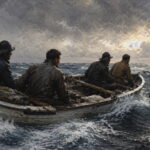
A fortnight later, the father and son were rowing across the lake, one calm, still day, to Storliden to make arrangements for the wedding.
Hai tuần sau, cha và con đang chèo thuyền qua hồ, vào một ngày yên tĩnh lặng lẽ, đến Storliden để sắp xếp cho đám cưới.
“This thwart is not secure,” said the son, and stood up to straighten the seat on which he was sitting.
“Thanh ngang này không chắc,” người con nói, và đứng dậy để chỉnh lại chỗ ngồi.
At the same moment the board he was standing on slipped from under him; he threw out his arms, uttered a shriek, and fell overboard.
Ngay lúc đó tấm ván anh đang đứng trên trượt khỏi chân anh; anh dang tay ra, thét lên một tiếng và rơi xuống nước.
“Take hold of the oar!” shouted the father, springing to his feet and holding out the oar.
“Bám lấy mái chèo!” người cha hét lên, bật dậy và giơ mái chèo ra.
But when the son had made a couple of efforts he grew stiff.
Nhưng khi người con cố gắng được vài lần thì anh cứng đờ ra.
“Wait a moment!” cried the father, and began to row toward his son.
“Chờ một chút!” người cha kêu lên, và bắt đầu chèo về phía con trai.
Then the son rolled over on his back, gave his father one long look, and sank.
Rồi người con lăn ngửa ra, nhìn cha một cái nhìn dài, và chìm xuống.
Thord could scarcely believe it; he held the boat still, and stared at the spot where his son had gone down, as though he must surely come to the surface again.
Thord không thể tin được; ông giữ thuyền đứng yên, và chằm chằm nhìn vào chỗ con trai đã chìm xuống, như thể nhất định cậu sẽ nổi lên lại.
There rose some bubbles, then some more, and finally one large one that burst; and the lake lay there as smooth and bright as a mirror again.
Vài bong bóng nổi lên, rồi thêm vài cái nữa, và cuối cùng một cái lớn vỡ ra; và mặt hồ lại phẳng lặng và sáng như gương.
For three days and three nights people saw the father rowing round and round the spot, without taking either food or sleep; he was dragging the lake for the body of his son.
Suốt ba ngày ba đêm người ta thấy người cha chèo thuyền vòng vòng quanh chỗ đó, không ăn không ngủ; ông đang kéo lưới dưới hồ để tìm xác con trai.
And toward morning of the third day he found it, and carried it in his arms up over the hills to his gard.
Và gần sáng ngày thứ ba ông tìm thấy, và ôm xác con trong tay đi lên qua những ngọn đồi về trang trại của mình.
It might have been about a year from that day, when the priest, late one autumn evening, heard some one in the passage outside of the door, carefully trying to find the latch.
Khoảng một năm sau ngày đó, vào một buổi chiều thu muộn, linh mục nghe thấy ai đó trong hành lang ngoài cửa, đang cẩn thận tìm chốt cửa.
The priest opened the door, and in walked a tall, thin man, with bowed form and white hair.
Linh mục mở cửa, và một người đàn ông cao gầy bước vào, lưng còng và tóc bạc trắng.
The priest looked long at him before he recognized him.
Linh mục nhìn lâu mới nhận ra ông.
It was Thord.
Đó là Thord.
“Are you out walking so late?” said the priest, and stood still in front of him.
“Ông đi bộ muộn vậy sao?” linh mục nói, và đứng yên trước mặt ông.
“Ah, yes! it is late,” said Thord, and took a seat.
“Ồ, đúng! Muộn rồi,” Thord nói, và ngồi xuống.
The priest sat down also, as though waiting.
Linh mục cũng ngồi xuống, như thể đang chờ đợi.
A long, long silence followed.
Một khoảng im lặng dài, rất dài tiếp nối.
At last Thord said:
Cuối cùng Thord nói:
“I have something with me that I should like to give to the poor; I want it to be invested as a legacy in my son’s name.”
“Tôi có thứ gì đó muốn tặng cho người nghèo; tôi muốn nó được đầu tư như một di sản mang tên con trai tôi.”
He rose, laid some money on the table, and sat down again.
Ông đứng dậy, đặt tiền lên bàn, rồi ngồi xuống lại.
The priest counted it.
Linh mục đếm tiền.
“It is a great deal of money,” said he.
“Đây là một khoản tiền lớn,” ông nói.
“It is half the price of my gard. I sold it today.”
“Đó là một nửa giá trị trang trại của tôi. Tôi đã bán nó hôm nay.”
The priest sat long in silence.
Linh mục ngồi im lặng lâu.
At last he asked, but gently:
Cuối cùng ông hỏi, nhưng nhẹ nhàng:
“What do you propose to do now, Thord?”
“Bây giờ ông định làm gì, Thord?”
“Something better.”
“Điều gì đó tốt hơn.”
They sat there for a while, Thord with downcast eyes, the priest with his eyes fixed on Thord.
Họ ngồi đó một lúc, Thord cúi mắt xuống, linh mục nhìn chằm chằm vào Thord.
Presently the priest said, slowly and softly:
Rồi linh mục nói, chậm rãi và nhẹ nhàng:
“I think your son has at last brought you a true blessing.”
“Tôi nghĩ con trai ông cuối cùng đã mang lại cho ông một phước lành thực sự.”
“Yes, I think so myself,” said Thord, looking up, while two big tears coursed slowly down his cheeks.
“Vâng, tôi cũng nghĩ vậy,” Thord nói, ngẩng đầu lên, trong khi hai giọt nước mắt lớn chảy chậm chậm xuống má ông.
The End / Kết Thúc
Special Topic: The Price of Pride
Bình Luận: Cái Giá Của Kiêu Hãnh
“The Father” by Bjørnstjerne Bjørnson is a masterpiece of compression — a moral parable told across four visits that span a lifetime, each scene measuring a man’s soul against the quiet witness of a priest.
“The Father” của Bjørnstjerne Bjørnson là một kiệt tác của sự súc tích — một truyện ngụ ngôn đạo đức được kể qua bốn lần ghé thăm trải dài cả một cuộc đời, mỗi cảnh đo lường tâm hồn một người đàn ông trước chứng nhân thầm lặng là một linh mục.
Bjørnson, the Norwegian Nobel laureate, strips the story to its bones — no ornament, no excess — and in doing so creates something closer to fable than fiction, yet devastatingly human.
Bjørnson, nhà văn Nobel người Na Uy, lột bỏ câu chuyện đến tận cốt lõi — không trang sức, không dư thừa — và trong khi làm vậy, ông tạo ra thứ gì đó gần với ngụ ngôn hơn là tiểu thuyết, nhưng lại đau đớn một cách rất con người.
The story’s architecture is its meaning: four visits to the priest’s study, each marking a milestone in Thord’s son’s life — baptism, confirmation, betrothal, and finally, the donation made in the dead son’s name.
Cấu trúc của câu chuyện chính là ý nghĩa của nó: bốn lần đến phòng làm việc của linh mục, mỗi lần đánh dấu một cột mốc trong cuộc đời con trai Thord — lễ rửa tội, lễ thêm sức, hôn ước, và cuối cùng, món quà dâng tặng mang tên người con đã mất.
In the first three visits, Thord arrives as a man of pride and calculation — he wants the baptism private, pays only when he knows his son ranks first, tips generously only because he can afford to show off.
Trong ba lần ghé thăm đầu tiên, Thord đến như một người đàn ông đầy tự hào và tính toán — ông muốn lễ rửa tội riêng tư, chỉ trả tiền khi biết con trai đứng số một, và bo hào phóng chỉ vì ông có thể khoe khoang.
Each visit ends with the same formula: “Is there anything else?” — and each time, Thord answers no, because for him the priest is a service provider, not a spiritual guide.
Mỗi lần ghé thăm kết thúc với cùng một công thức: “Còn điều gì nữa không?” — và mỗi lần, Thord đều trả lời không, vì đối với ông, linh mục chỉ là người cung cấp dịch vụ, không phải người hướng dẫn tâm linh.
The priest’s blessing at the first visit — “God grant that the child may become a blessing to you!” — is the story’s prophetic hinge: a prayer that takes an entire lifetime, and a death, to be answered.
Lời chúc lành của linh mục trong lần ghé thăm đầu tiên — “Cầu Chúa cho đứa trẻ trở thành một phước lành cho ông!” — là bản lề tiên tri của câu chuyện: một lời cầu nguyện mất cả một cuộc đời, và một cái chết, để được đáp lại.
The drowning scene is rendered with extraordinary restraint — a board slips, arms fly out, a shriek, then bubbles, then a mirror-smooth lake — Bjørnson refuses sentimentality even at the story’s most devastating moment.
Cảnh chết đuối được kể với sự kiềm chế phi thường — một tấm ván trượt, hai tay dang ra, một tiếng thét, rồi bong bóng, rồi mặt hồ phẳng như gương — Bjørnson từ chối sự ủy mị ngay cả ở khoảnh khắc tàn khốc nhất của câu chuyện.
The image of Thord rowing round and round the spot for three days without food or sleep is the story’s emotional center — not the death itself, but the father’s refusal to accept it, his body doing the only thing his grief knows how to do.
Hình ảnh Thord chèo thuyền vòng vòng quanh chỗ đó suốt ba ngày không ăn không ngủ là trung tâm cảm xúc của câu chuyện — không phải cái chết, mà là sự từ chối chấp nhận của người cha, cơ thể ông làm điều duy nhất mà nỗi đau của ông biết làm.
The fourth visit transforms everything: Thord arrives unrecognizable — bowed, white-haired, thin — not because time has passed but because pride has been broken and replaced by something quieter and truer.
Lần ghé thăm thứ tư thay đổi tất cả: Thord đến không còn nhận ra được — lưng còng, tóc bạc, gầy guộc — không phải vì thời gian đã trôi qua mà vì kiêu hãnh đã tan vỡ và được thay thế bằng thứ gì đó lặng lẽ hơn và thật thật hơn.
He sells half his farm — the source of all his pride, power, and identity — and gives it to the poor in his son’s name, asking nothing in return, not even recognition.
Ông bán một nửa trang trại — nguồn gốc của mọi tự hào, quyền lực và bản sắc — và tặng cho người nghèo mang tên con trai, không cầu mong điều gì đổi lại, thậm chí không cả sự công nhận.
The final exchange — “I think your son has at last brought you a true blessing” / “Yes, I think so myself” — closes the circle opened by the priest’s prayer at the baptism, and does so with two tears rather than a sermon.
Cuộc trao đổi cuối cùng — “Tôi nghĩ con trai ông cuối cùng đã mang lại cho ông một phước lành thực sự” / “Vâng, tôi cũng nghĩ vậy” — khép lại vòng tròn được mở ra bởi lời cầu nguyện của linh mục tại lễ rửa tội, và làm vậy bằng hai giọt nước mắt thay vì một bài giảng.
“The Father” endures because it tells a universal truth without moralizing: that wealth and status can insulate a person from their own humanity, and that loss — devastating, irreversible loss — can be the only door back in.
“The Father” trường tồn vì nó kể một sự thật phổ quát mà không giáo huấn: rằng sự giàu có và địa vị có thể cách ly một người khỏi chính nhân tính của họ, và rằng mất mát — mất mát tàn khốc, không thể đảo ngược — có thể là cánh cửa duy nhất để quay trở lại.
The End / Kết Thúc
Mastering “The Father”
Analyze spiritual growth, the vanity of pride, and the meaning of true legacy.
1. What is Thord Overaas’s primary motivation during his first three visits to the priest?
2. How does the priest’s reaction to Thord change over the first three visits?
3. What is the symbolic significance of the son falling into the water?
4. Why does Thord wait a full year after his son’s death before visiting the priest again?
5. What change is noted in Thord’s physical appearance during his final visit?
6. Thord sells his farm and brings half the price to the priest. What is his request this time?
7. What does the priest mean when he says, “I think your son has at last brought you a blessing”?
8. What is the central irony regarding Thord’s initial “pride” in his son?
9. Which theme is most prominent in Bjørnson’s “The Father”?
10. Why is the title “The Father” significant at the end of the story compared to the beginning?